PCOS and IBS: Why They Often Overlap (And What You Can Do About It)
If you’ve got PCOS (polycystic ovary syndrome) and you’re also dealing with bloating, tummy pain, constipation, diarrhoea, or that frustrating mix of both, you are definitely not alone.
A lot of women with PCOS notice gut symptoms, and it can feel confusing (and honestly unfair) when you’re already juggling hormonal symptoms, cravings, fatigue, skin changes, or fertility concerns. The truth is, PCOS and IBS (irritable bowel syndrome) often overlap. This connection isn’t a coincidence or “all in your head”. There are several evidence-based reasons why gut symptoms can be more common and more intense in people with PCOS. Understanding this overlap can be a crucial first step toward understanding your symptoms and identifying effective strategies (1).
In this blog post, you’ll learn:
What IBS is (and what it isn’t)
The link between PCOS and IBS
Why symptoms might be worse in PCOS
The best diet for PCOS and IBS - practical, dietitian-approved ways to support your gut and hormones
When it’s time to get personalised support
What is PCOS?
PCOS is a common hormonal condition. Symptoms can include irregular periods, acne, excess hair growth, difficulty losing weight, and fertility challenges. Many women with PCOS also have insulin resistance, which can affect inflammation and overall hormone balance.
What is IBS?
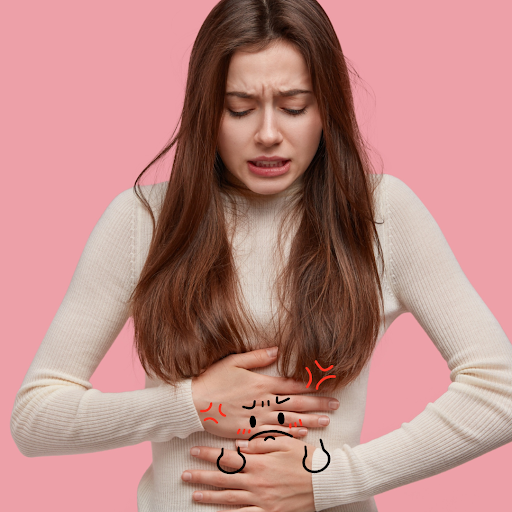
IBS is a functional gut disorder, which means although real symptoms are present, no physical damage or disease are found to be the cause of those symptoms.
Common IBS symptoms include:
Bloating and wind
Abdominal pain or cramping
Constipation, diarrhoea, or alternating between both
Importantly, IBS is usually a “diagnosis of exclusion”. This means your doctor will want to rule out any potential other causes of your symptoms (e.g., coeliac disease, IBD) before making a diagnosis of IBS. So if you experience any new, severe, or changing symptoms then, it’s important to speak to your GP to carry out any necessary investigations or blood tests.
Much like with PCOS, symptom presentation varies in people with IBS, so you may experience different combinations of the symptoms listed above. This makes treatment of IBS very individual, depending on the symptoms present.
Although there is no one cause of IBS, symptoms can be triggered by stress, hormones, gut sensitivity, and/or food - and it can have a huge impact on quality of life (2).
The link between PCOS and IBS
IBS seems to be more common in people with PCOS than in those without it. In simple terms, research suggests that if you have PCOS, you may be more likely to experience IBS-type gut symptoms too (1).
That doesn’t mean every woman with PCOS will develop IBS (or vice versa), but it does mean that if you’re experiencing both, it’s not “in your head.”
Why might PCOS and IBS occur together?
1. Hormones and gut motility
Hormones influence how quickly food moves through the gut. Shifts in hormones, often seen in PCOS, can affect your gut motility and sensitivity, which may contribute to constipation, diarrhea, and pain in some people (3).
2. Insulin resistance and inflammation
Insulin resistance (common in PCOS) can be linked with low-grade inflammation. Inflammation may influence how your gut functions as well as impact gut sensitivity, and some research suggests there are gut microbiome (micro-organisms such as bacteria that live in the gut) differences in those with PCOS too (4).

3. Stress + the gut–brain axis
Stress is a major IBS trigger. If you’ve spent years feeling dismissed, trying diet after diet, or worrying about fertility, it makes sense that your nervous system (and gut) may feel on high alert (2).
4. Gut microbiome changes
The gut microbiome may play a role in both metabolic health and inflammation.
The relationship between the gut microbiome and PCOS is complex; however, several studies have shown that the composition of the gut microbiome is altered in people with PCOS (known as dysbiosis). Research in this area is still limited, and studies continue to explore how gut bacteria differs in PCOS compared to those without PCOS, and how that might relate to symptoms (4).
Whatever it is, the way you tell your story online can make all the difference.
The best diet for PCOS and IBS: where to start?
If you’ve been searching for the “best diet for PCOS and IBS”, it might be worth gently reframing this, as there usually isn’t one perfect plan, but there is a supportive approach that improves symptoms, without restricting yourself too much. Here are some helpful first-line principles:
1. Start with regular meals
Regular meals can support steadier blood sugar and energy and can also help regulate gut function in some people (5).
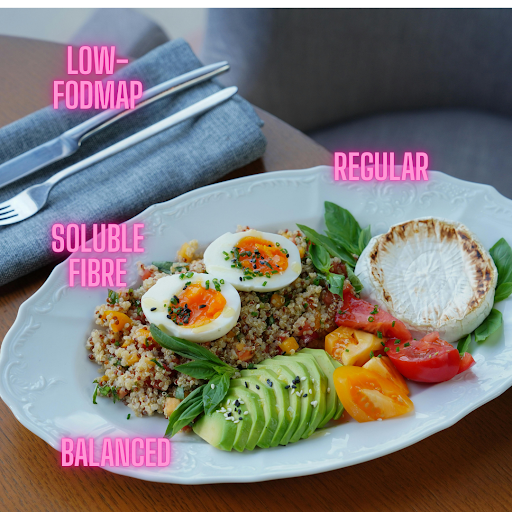
2. Build balanced plates
This kind of balance with your diet can help keep energy and hormones steadier in PCOS, while also supporting more comfortable digestion:
A protein source (e.g. eggs, yoghurt, tofu, fish, chicken, beans/lentils if tolerated)
Fibre + carbohydrate you tolerate (e.g., oats, basmati rice, sourdough, potatoes, quinoa)
Colour from fruit/veg (cooked veg often easier for IBS)
Healthy fats (e.g. olive oil, nuts/seeds, avocado if tolerated)
3. Track patterns (without obsessing)
Keeping a short-term food and symptom diary where you write down what you eat and drink, when you eat it, and which symptoms you experience (including when and how severe), can help you spot triggers like:
Large meals
Eating quickly / on the go
Stressful days
Certain high-FODMAP foods (more on this below)
Low FODMAP for PCOS and IBS: is it helpful?
You may have come across the low FODMAP diet as a way to manage IBS-type symptoms.
Low FODMAP is a short-term dietary approach that reduces certain fermentable carbohydrates which can trigger IBS symptoms. It’s one of the best-supported dietary interventions for IBS symptom relief (6).
Pros:
Often reduces bloating, wind, and pain in IBS
Can improve quality of life (especially short term) (6)
Cons (especially relevant in PCOS):
It’s restrictive and not meant to be long-term
Done incorrectly, it can reduce diet variety and potentially affect gut microbiome and adequacy (6)
If you suspect IBS and want to try low FODMAP, it’s best supervised by a dietitian who will guide you on how to have a nutritionally complete low FODMAP diet and support you with FODMAP reintroductions whilst also keeping it PCOS-supportive.
Practical diet and lifestyle tips for managing different gut symptoms
If diarrhoea is your main symptom:
Keep meals smaller and more frequent
Limit large caffeine hits (especially on an empty stomach)
Try soluble fibre foods (e.g., oats) if tolerated
If constipation is your main symptom:
Prioritize fluids
Include gentle soluble fibre (oats, chia, kiwi)
Add movement most days (even a walk helps)
The following lifestyle changes can have a positive impact on symptoms:
Movement: supports insulin sensitivity and gut motility (5)
Stress management: IBS symptoms are closely linked to the gut–brain axis
Sleep: poor sleep can worsen cravings, stress resilience, and GI symptoms for many people
Supplements (a quick note)
Some supplements can help IBS symptoms in certain people (e.g., peppermint oil, some probiotics), but responses are individual and product/strain-specific. If you’re considering probiotics in PCOS, there’s emerging evidence in this area too. Your dietitian can advise you on which supplements might be helpful for you.
When to seek specialist support?
You might benefit from 1:1 support if:
Symptoms are persistent or getting worse
You’re avoiding lots of foods
You feel anxious about eating
Fertility goals add extra pressure
You’ve tried “everything” and still feel stuck
If you’re nodding along reading this, you don’t have to figure out PCOS and IBS alone. There are real reasons these conditions can overlap, and a realistic plan can support your gut and hormones, without extreme restriction.
Book a free 15-minute enquiry call with Dr.Claire Pettitt, specialist women’s health dietitian, to talk about your PCOS, gut symptoms and next steps.