
PCOS and insomnia: Why is melatonin important?
Living with Polycystic Ovarian Syndrome (PCOS) can be challenging and overwhelming, with multiple symptoms, like irregular menstrual cycles, acne, hair loss/thinning and insomnia (not getting enough quality sleep) - all of which add to the daily struggle for those with PCOS (1).
Having good quality sleep is essential for our health and daily life and if you suffer with sleep issues, you may find you:
Lack focus at work
Need more naps
Feel irritable
Experience mood swings
Have low energy throughout the day
Additionally, lack of sleep can affect your hormone balance and increase your risk of chronic diseases.
Melatonin can play an important role in improving sleep quality and minimising sleep issues. In this blog post, we will explore how melatonin can play a role in improving insomnia in PCOS and what you can do to optimise your sleep.

Does PCOS cause insomnia?
Sleep issues such as obstructive sleep apnoea and drowsiness are more common in those with PCOS with around 46% of people with PCOS experiencing obstructive sleep apnoea and 56% experiencing other types of sleep disturbances (2). In one study, it was shown that women with 41% PCOS had increased sleep disturbances compared to 25% of those without PCOS (3).
Melatonin and PCOS
This same study found that these women with PCOS had lower follicular melatonin levels (3) (potentially impacting egg quality) and another found that those with PCOS tend to have higher blood serum levels of melatonin, which seem to be linked to higher testosterone levels, which may impact menstrual cycle regularity (4). So let’s explore what melatonin is and how it can affect sleep.
What is melatonin?
Melatonin is a hormone and antioxidant produced by the body (specifically in the pineal gland, which is a pine-shaped gland nestled in the brain) when it gets dark (5). It is the
main hormone that helps to regulate your circadian rhythm(6). Your circadian rhythm is like your body's internal clock that helps control when you feel awake and when you feel sleepy. It follows a 24-hour cycle, mostly based on the presence of light and darkness.
Given its role in managing the sleep/wake cycle, melatonin supplementation is commonly used as a sleep aid, however studies show melatonin has a role to play in reproductive health, including ovulation and in the development of the egg, as well as having powerful anti-oxidant and anti-inflammatory properties (7).
If you have questions about PCOS or your diet to support you in your PCOS journey, book a free enquiry call with Claire Pettitt, a PCOS specialist dietitian, to find out how 1:1 support can help you.
Should I take melatonin for PCOS?
An 8-week randomised controlled trial (the gold standard of nutrition research), found that people with PCOS given melatonin supplementation had better sleep quality compared to those who did not. Those who had melatonin plus magnesium had an even higher sleep quality and reduced total testosterone (8).
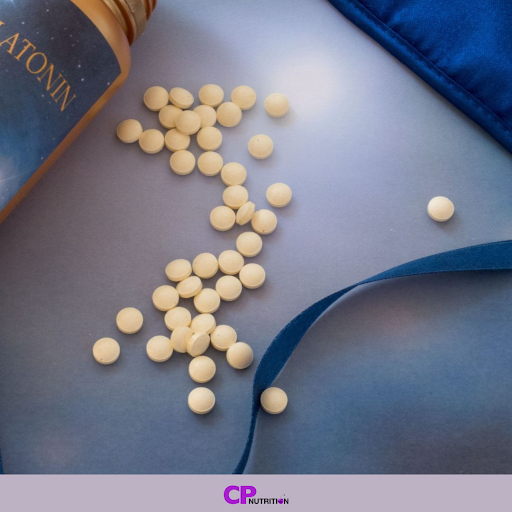
The other current studies looking at the relationship between melatonin and PCOS show that, in addition to the role it plays in influencing sleep, taking melatonin may:
Improve ovary cells and embryo quality and therefore improve fertility(6)
Act as an antioxidant and reduce oxidative stress which can lead to cell damage (9,10)
Reduce male sex hormones, AMH and LDL cholesterol (11)
Reduce testosterone levels and hirsutism (10)
Although these are all promising results, studies are still limited and therefore, more research is required to allow clear recommendations to be made.
What dose of melatonin should I take for PCOS?
Given these promising results from taking melatonin in PCOS, you may be asking should I take a melatonin supplement and if so, what dose?
In the research, melatonin has been given in doses from 2mg-10mg, though the most common amount is 2mg. If you do choose to try melatonin, it might be best to start with this amount and it is advised to be taken 1-2 hours before bed (12) due to its slow release. If you feel you would benefit from taking this supplement, talk to your healthcare team about frequency and how long you should take it for (12).
As with any medication and supplement, it is essential to be mindful of side effects. Common side effects of melatonin include nausea, headaches, drowsiness during the day, dizziness and more (12).
How to improve sleep with PCOS?
In addition to taking a melatonin supplement, there are several other ways to improve your sleep:
1. A consistent sleep schedule - A great way of training our body to sleep well is by having a regular routine, going to bed, getting up at the same time every day and fitting these with your lifestyle, including weekends. Our bodies love consistency!
2. Relaxation and meditation - Sleep routine begins before going to bed, such as, avoiding electronic devices such as tablets, phones and computers, can help prevent blue light absorption which affects sleep. Helpful unwinding tips: meditation, reading, podcasts, soft music, may all help with increasing sleep ability.
3. Journaling - Writing your thoughts down in the morning and/or at night can be beneficial in clearing thoughts which may distract you from falling asleep.
4. Setting the scene for sleep - Creating the right space for a good night’s sleep is very important, such as making the bedroom appear more comfortable, perhaps with a cosy blanket, supportive mattresses, or low lighting. To stop the early morning light from peeking in and waking you too early, try using blackout curtains or eye masks can be helpful.
5. Diet and Exercise - A healthy balanced diet and regular exercise can improve sleep quality.
6. Reduce caffeine and alcohol - Try avoiding caffeine and alcohol before bed as they can interfere with sleep. Why not have non-caffeinated drinks instead, such as spearmint tea which has been shown to be helpful for PCOS.
7. Having a routine - Creating both a morning routine and a night-time routine can be advantageous in creating a regular rhythm and sleeping more effectively (13).
Take home message - is melatonin really effective for sleep issues in PCOS?
Melatonin plays a vital role in regulating sleep and supplementation may improve sleep quality. It can also have a positive impact on other PCOS related issues, such as fertility, egg quality, testosterone levels and hirsutism. In addition to melatonin supplements, a consistent schedule, bedtime routine and an optimised sleep environment can steer towards better sleep pattern, rest and overall well-being.
If you are curious about starting melatonin supplementation, why not speak to a healthcare professional to make sure it is the right option for you. Claire Pettitt, is a registered dietitian specialising in women’s health and can support you with the best supplements for your PCOS, including melatonin. You can book a free enquiry call with Claire Pettitt, to find out how 1:1 support can help you.
References
Melatonin and its correlation with testosterone in polycystic ovarian syndrome
Melatonin, the Hormone of Darkness: From Sleep Promotion to Ebola Treatment
The role of melatonin in polycystic ovary syndrome: A review
Melatonin Treatment May Be Able to Restore Menstrual Cyclicity in Women With PCOS: A Pilot Study