12 PCOS-friendly salmon (and other oily fish) recipes to boost your omega-3 intake
Feeling foggy, low in energy, or dealing with irregular cycles? Well, eating oily fish regularly may just be what you need to tackle these pesky PCOS symptoms. You may have heard that oily fish is great to include as part of your diet, but knowing where to start and how to include it regularly can be daunting. This blog will outline why oily fish matters and highlight some PCOS-friendly salmon recipes you may want to include!
Why oily fish matters for PCOS
If you have PCOS, then you may be experiencing some of the following symptoms - imbalanced hormones, inflammation, low energy, infertility, insulin resistance, low mood etc. These symptoms can be difficult to manage and eating foods high in omega-3 fatty acids, vitamin D and protein, such as oily fish, regularly may help tackle them.
So let’s break down why oily fish matters for PCOS:
They’re a rich source of omega-3-fatty acids, helping to support hormone balance, fertility and even reduce inflammation. Omega-3-fatty acids are essential healthy fats that both the brain and body thrive off, making them great to include in your diet regularly (1). A review of multiple studies has shown promising effects of omega-3s on cognitive function and inflammation, though more research is needed to fully understand these benefits (2).
They’re also a great source of vitamin D - this is especially important if you live in the UK (and colder climates where there is less sunshine) as you’ll need to take in more vitamin D from the diet. Vitamin D has been shown to support mood, lower insulin resistance and androgen levels, and reduce endometrial thickness - all of which can help promote regular menstruation (3)!
Finally, they’re high in protein, which helps maintain energy levels and supports stable blood sugar throughout the day.
What Counts as Oily Fish?
So you know why oily fish is good for your PCOS, but what types of fish are these exactly?
Examples of oily fish include:
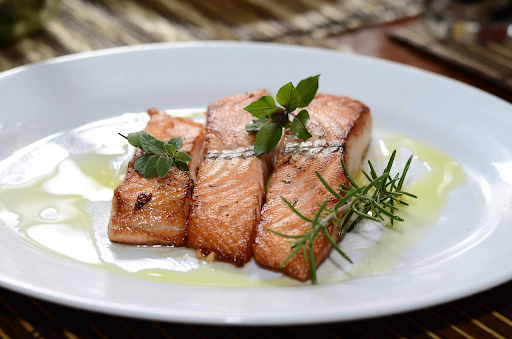
Salmon
Mackerel
Sardines
Trout
Herring
Anchovies
Any form of these fish is great to include in your diet regularly - whether it’s fresh, frozen, or canned, there’s something for all budgets. If possible, choosing sustainably sourced fish is the best option - not only will this benefit you, but also the environment! It’s often recommended to aim for around 2 portions a week to ensure you’re getting all the possible health benefits for your PCOS.
If you need more support with meal ideas or have questions about your diet to support you in your PCOS journey, book a free enquiry call with Claire Pettitt, a women’s health dietitian, to find out how 1:1 support can help you.
Easy & Delicious PCOS-Friendly Oily Fish Recipes
Unsure on how you can incorporate oily fish into your diet? Well, look no further - we’re sharing twelve of our favourite oily fish recipes.
1.Quick & Light Meals
Salmon & avocado wholegrain wrap - A nutritious wrap filled with heart-healthy salmon, creamy avocado, and fresh veggies, all rolled in a fibre-rich wholegrain tortilla.
Mackerel pâté on rye crackers - Smooth and savoury mackerel pâté served on crisp rye crackers, offering a protein-packed snack rich in omega-3s.
Tinned sardines on wholegrain toast with tomatoes - A quick and healthy meal of tinned sardines layered on toasted wholegrain bread, topped with juicy tomatoes for a burst of freshness and flavour.

2. Fresh & Vibrant Salads
Smoked mackerel & beetroot salad - A vibrant, nutrient-rich salad combining smoky mackerel, earthy beetroot, and fresh greens - packed with omega-3s and antioxidants.
Salmon, quinoa & roasted veggie bowl - A high-protein, high-fibre bowl with flaky salmon, fluffy quinoa, and roasted vegetables - ideal for blood sugar control and sustained energy.
Anchovy Mediterranean salad - A Mediterranean-style salad with anchovies, crisp greens, boiled eggs, olives, and potatoes - rich in protein and healthy fats for balanced blood sugar support.
3. Warm & Comforting Dinners
Coconut salmon - A creamy but zesty meal, destined to be a hit any day of the week. Serve with sweet potato wedges & leafy greens for some extra added goodness (think antioxidants and slow-releasing carbs).
Mackerel curry - A warming, flavoursome curry made with mackerel fillets simmered in aromatic spices - rich in omega-3s and ideal for a hearty, nutritious meal.
Trout with lemon & garlic roasted veggies - a light, protein-rich dish full of healthy fats and vibrant flavours. Try this oven-baked trout (or herring for a bolder flavour) served with lemon and garlic roasted vegetables.
4. Meal Prep Winners
Trout/herring/mackerel & veggie fishcakes - A hearty blend of oily fish - trout, herring, and mackerel - mixed with grated vegetables, herbs, and spices, formed into golden pan-fried cakes. These can be made in batches and frozen - just defrost and serve with some veggies!
Citrus roasted salmon - A simple, make-ahead meal featuring zesty citrus-marinated salmon, roasted vegetables, and quinoa - balanced in protein, healthy fats, and fibre for stable energy throughout the day. Bulk cook the salmon fillets at the start of the week; they’ll keep in the fridge for up to 3 days and then serve with quinoa and vegetables.
Sardine pasta with tomato & spinach - A quick, flavorful pasta dish with sardines in a rich tomato sauce, sautéed garlic, and wilted spinach. High in protein, bursting with Mediterranean flavour and quick to prep - what’s not to love! Can be cooked in bulk and frozen for up to 3 months.
Final Thoughts
Oily fish is one of the most powerful PCOS-friendly foods, supporting hormones, fertility, and heart health. Try one new recipe this week - you’ll be surprised how easy (and delicious) it can be! Want more simple, nourishing ideas? Sign up for our newsletter and get recipes, tips, and support delivered straight to your inbox.