CoQ10 and female fertility: What you need to know
If you’re struggling with fertility, you’re not alone. You may be feeling out of your depth and unsure of what the right supplement is for you. Not to worry, in this blog post, we will discuss all things CoQ10 and female fertility, to help you decide if this is the supplement for you (1).
What is CoQ10
CoQ10, also known as coenzyme Q10, is an antioxidant that helps your body make energy. It comes in two forms, ubiquinone and ubiquinol - the form your body uses more easily.
Your body makes it mainly in organs such as the heart, kidneys and liver (2). However, some people may not naturally produce enough CoQ10 and so you can also get it from foods such as:
Organ meat (e.g. liver)
Oily fish (e.g. salmon & tuna)
Wholegrains
As the amount your body absorbs from food isn’t high, it is recommended to eat these foods in a meal that contains oil or fat to increase the amount you absorb. It is also worth noting that certain cooking methods, such as frying, which use high heat, can reduce the amount of CoQ10 available in foods, potentially limiting the amount your body can absorb (3).
CoQ10 and fertility
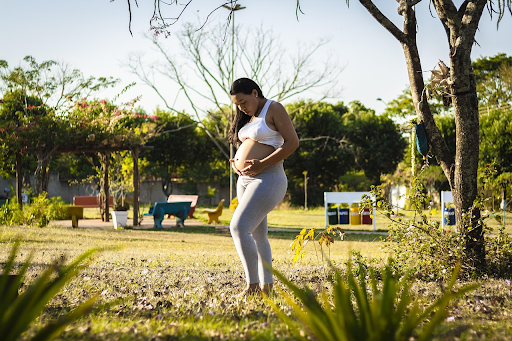
CoQ10 has many overall health benefits, including:
Lowers rates of high cholesterol.
Decreases blood pressure
Reduces risk of preeclampsia
Increases energy
Reduces inflammation
Regulates insulin and glucose
Fights free radicals, helping to protect against cell damage
Lowers androgen/testosterone levels
If you have questions about supplements or your diet to support you in your fertility journey, book a free enquiry call with Claire Pettitt, a fertility specialist dietitian, to find out how 1:1 support can help you.
So, what does the research say about the benefits for fertility?
Improves egg quality → CoQ10 supplementation may improve age-related decline in female fertility by improving egg quality (4). However, this has only been shown in animal studies and therefore robust human studies are required.
Supports better insulin use → Taking CoQ10 on its own, or with vitamin E, can help the body handle insulin more effectively and keep blood sugar levels steadier. This is especially helpful if you are insulin-resistant, as improvements can support fertility (5).
Helps lower inflammation → CoQ10 has been shown to reduce inflammation in women with PCOS. That’s important because ongoing inflammation can make it harder for the body to support fertility (6).
Improves outcomes with fertility treatments → A review of studies found that women taking CoQ10 during fertility treatments like IVF were more likely to have a successful pregnancy compared to those who didn’t take it (7).
CoQ10 supplements for fertility
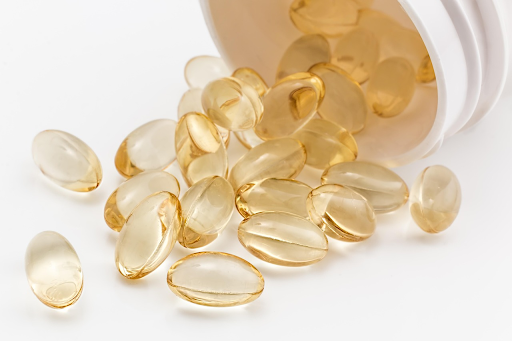
CoQ10 supplements can come in many different forms including soft gel capsules, oral spray, hard shell capsules, and tablets.
Typically, doses around 30 to 90 mg per day, taken at several intervals during the day, are recommended, but some studies have used amounts as high as 200 mg per day. Seeing improvements in your fertility symptoms following supplementation can usually be seen around the eight-week mark. (2)
There are some side effects to be aware of, including;
Diarrhoea
Rashes
Stomach upset
Disrupted sleep
May interact with certain medications (e.g., statins, blood thinners and diabetes medication).
Please note, it's always best to speak to a registered healthcare professional before introducing any new supplements.
Summary
In summary, CoQ10 and female fertility are closely linked, with growing evidence suggesting that this powerful antioxidant may support women with infertility by improving egg quality, boosting energy levels, and reducing insulin resistance. While research is still ongoing, these early findings are promising, and so you may wish to take a supplement as part of your fertility treatment plan. As always, it’s important to speak with a registered healthcare professional before starting any new supplements to ensure they’re right for your individual needs.
If you’d like more personalised advice on how to use diet to support your fertility journey, you don’t have to figure it out alone. Book a free enquiry call with Claire Pettitt, a fertility specialist dietitian, today and get the guidance you need to feel confident in your next steps.