Can PCOS Cause Anaemia and How Do I Manage It?
It’s pretty well known that iron and periods have a strong relationship... we’ve all heard that eating a steak and your leafy greens when menstruating can help to boost your iron levels!
But what relationship does iron have with PCOS?
In this blog post, we’ll cover what iron is, whether PCOS affects iron levels and how we can boost these levels through diet, supplements or even medications.
What is Iron?
Iron is one of our essential minerals that’s needed in the body for multiple functions. One of the main functions is making haemoglobin. This is a protein in our red blood cells that carries oxygen from our lungs to other parts of the body, which is important for healthy muscles, organs and the brain.
So, without adequate iron, you can feel pretty poorly!
Guidelines (1) suggest that people who have periods need more iron (14.8mg/day) than those who don’t (8.7mg per day).
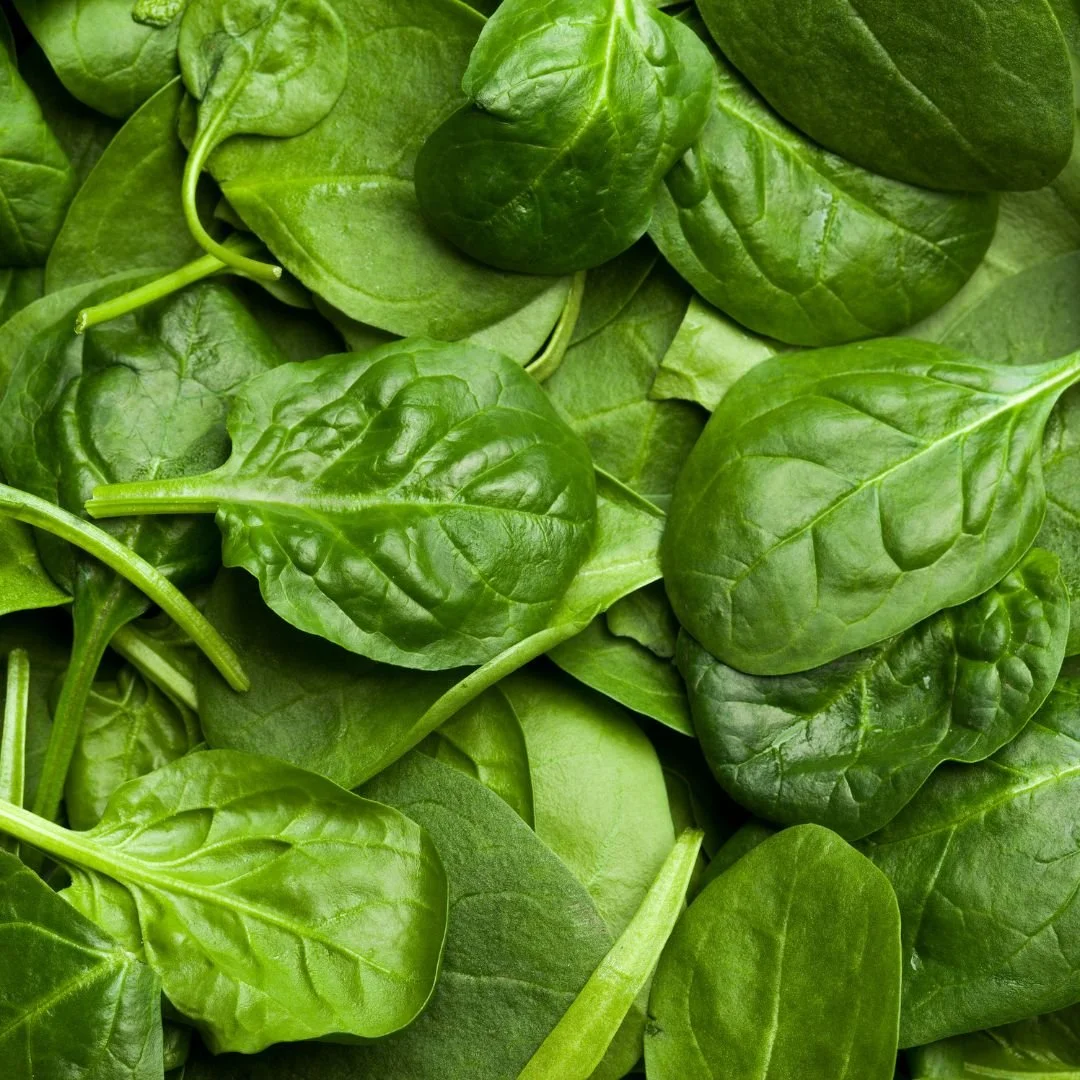
This is nearly double, which may seem like a lot, but if you’re having a balanced diet, you’re likely at a good starting point already. Foods rich in iron include:
Red meat
Spinach, kale, broccoli
Kidney beans
Chickpeas
Dried fruits
There are two types of iron you get from your diet - haem and non-haem.
Haem iron comes from animal products and is easily absorbed by the body.
Non-haem iron comes from plant-based foods. These options are still rich in iron but aren’t as well absorbed by the body.
Top Tip!
Vitamin C has been found to help absorption of non-haem iron, so eating foods like oranges, grapefruit, cauliflower or doubling up on kale and broccoli are a great way to help iron intake.
What is Anaemia?
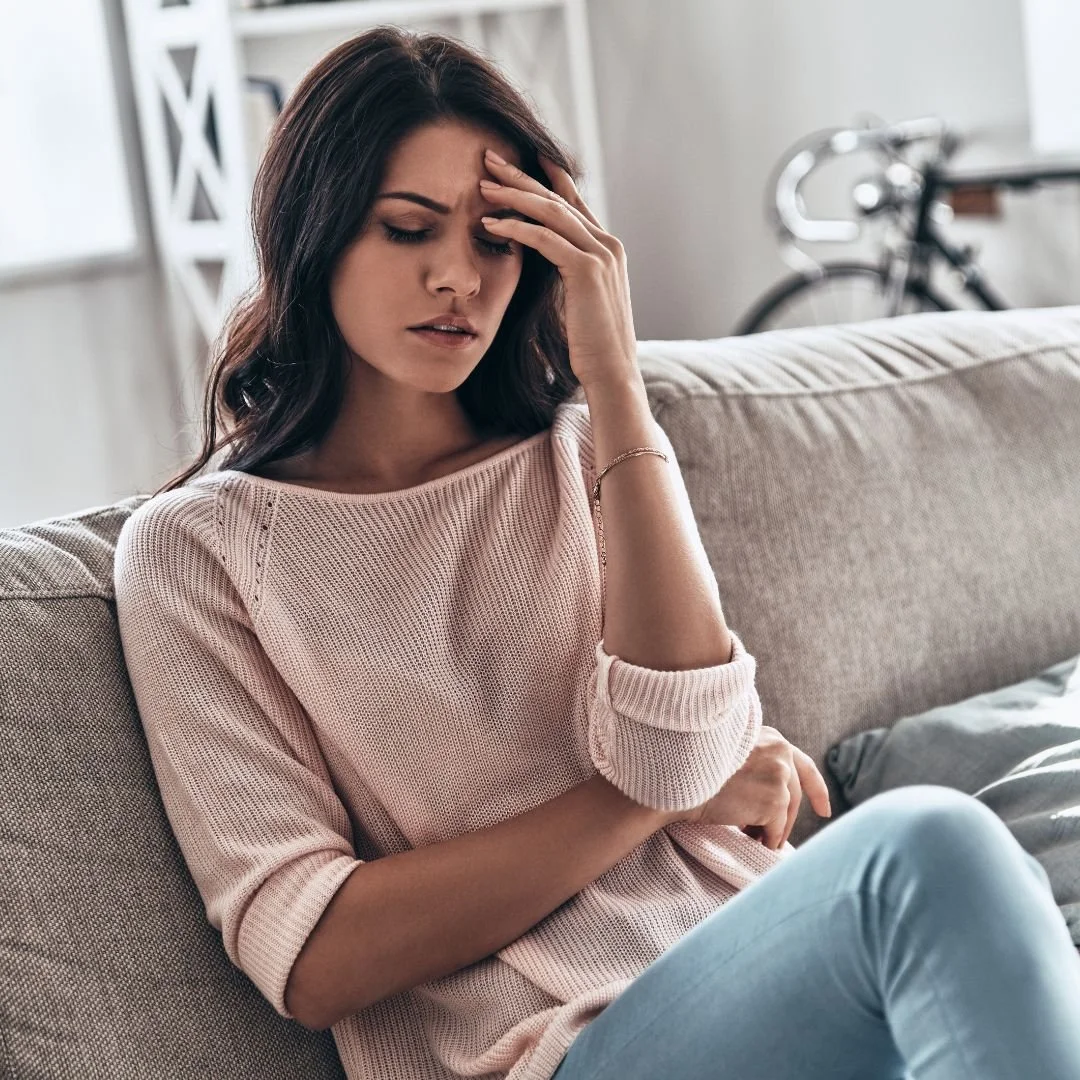
Anaemia is when our bodies don’t have enough haemoglobin (2).
There are different forms of anaemia and different lifestyle or health conditions that may cause it. However, the most common form is usually iron-deficiency anaemia, caused by a lack of iron. Often this is due to a lack of iron in the diet though sometimes there may be other causes, such as having higher iron requirements than normal e.g. due to heavy periods.
Symptoms of iron deficiency anaemia include (3):
Fatigue
Shortness of breath
Dizziness
Headaches
Heart palpitations
Iron and PCOS
The link between PCOS and iron levels can be complex.
Iron overload
In some people with PCOS, iron levels are actually higher than average. This is called iron ‘overload’ and leads to its own set of health concerns as it is linked to insulin resistance and diabetes. It is thought that the higher ferritin levels (a measure of stored iron in the body) seen in some people with PCOS may be due to a combination of:
reduced menstrual blood losses (if not having a regular period),
insulin resistance,
and/or reduced levels of hepcidin (a hormone that regulates iron absorption in the gut).
Iron deficiency
However, others who suffer from heavy periods or inflammation with their PCOS may be at risk of deficiency.
Here’s what the evidence says about the potential causes of iron deficiency anaemia in people with PCOS :
Heavy menstrual bleeding: many individuals with PCOS experience heavy periods. Some research has shown that those losing a significant amount of blood have low iron levels and are often deemed anaemic compared to those with ‘normal’ and ‘light’ flow periods, who had adequate iron levels (4).
Decreased iron absorption: some symptoms of PCOS can lead to higher amounts of the hormone hepcidin, a hormone that stops iron absorption (5).
Inflammation: increased inflammation commonly seen in PCOS has been linked to an increase in the hormone hepcidin, which therefore increases the risk of deficiency in some people with PCOS (6).
Benefits of iron
As many women with PCOS experience iron overload, research into the benefits of iron supplements for PCOS is pretty limited. However, there are health benefits that people with PCOS can experience when their iron levels are low.
Benefits of iron supplementation when iron levels are low include:
Increased energy levels
Increased immune system support
Improved sleep
Improved brain function
Supports pregnancy by providing adequate oxygen to the baby
Iron and diet
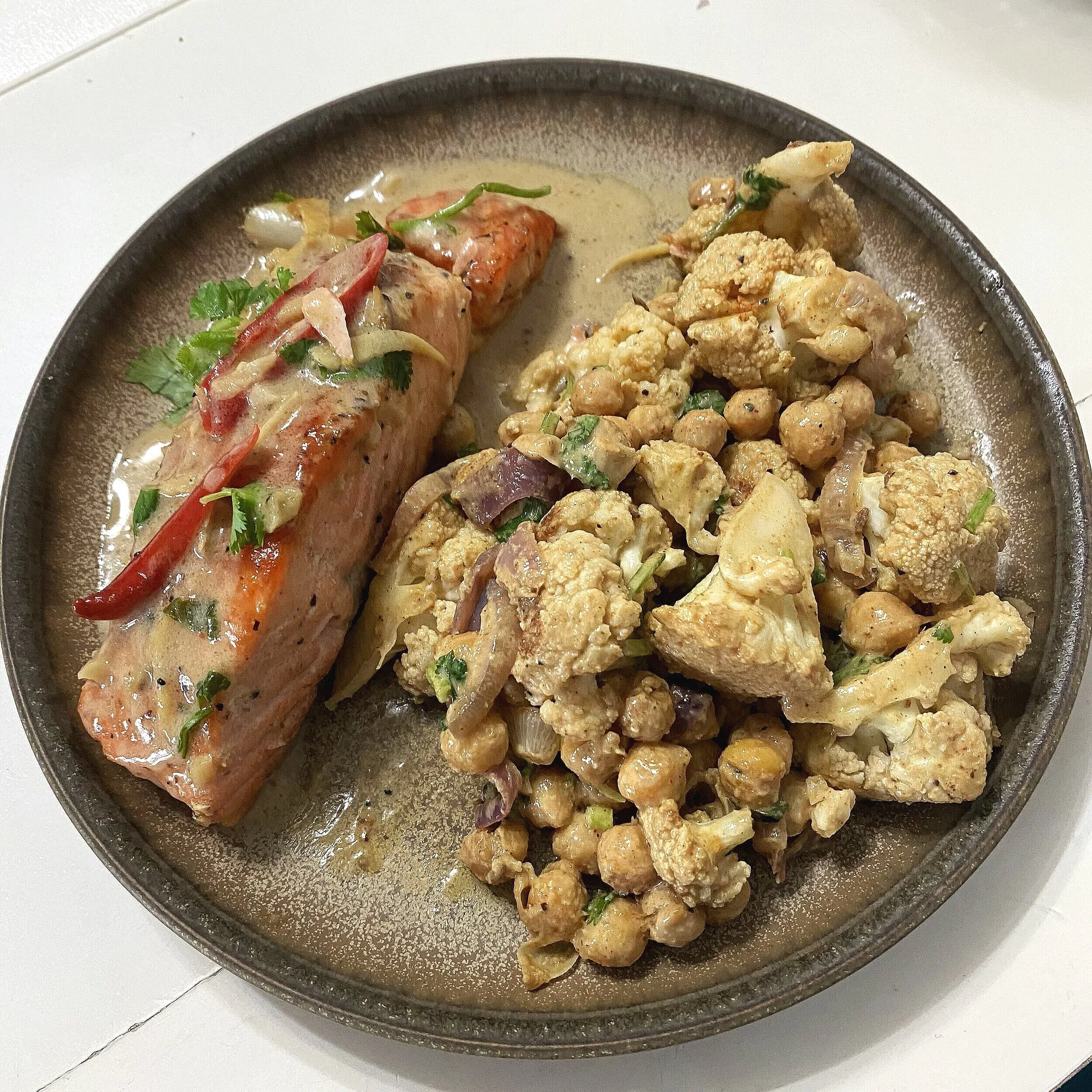
There are many ways to include more iron-rich foods in your diet:
Add spinach or kale to smoothies or soups
Add dried fruits to snacks and puddings
Pair vitamin C foods with iron foods to help absorption
Avoid consuming foods and drinks that reduce the absorption of iron, together with iron-rich foods eg coffee, tea, and milk
Why not try some of our delicious recipes below which contain foods rich in iron:
Iron Supplements for those with PCOS and Iron Deficiency
When it comes to supplementation it is best to talk to a healthcare professional to determine if you need to take iron supplements. You may be recommended to test your iron levels before making a decision about supplementation as it is important to get a diagnosis and treatment plan rather than trying to treat it yourself.
If you do need to supplement, there are a few different forms of iron available and the most common forms are:
ferrous sulphate (the most common and cheapest form)
ferrous gluconate (this one tends to be more gentle on the stomach)
ferrous fumarate (the option with the highest iron content).
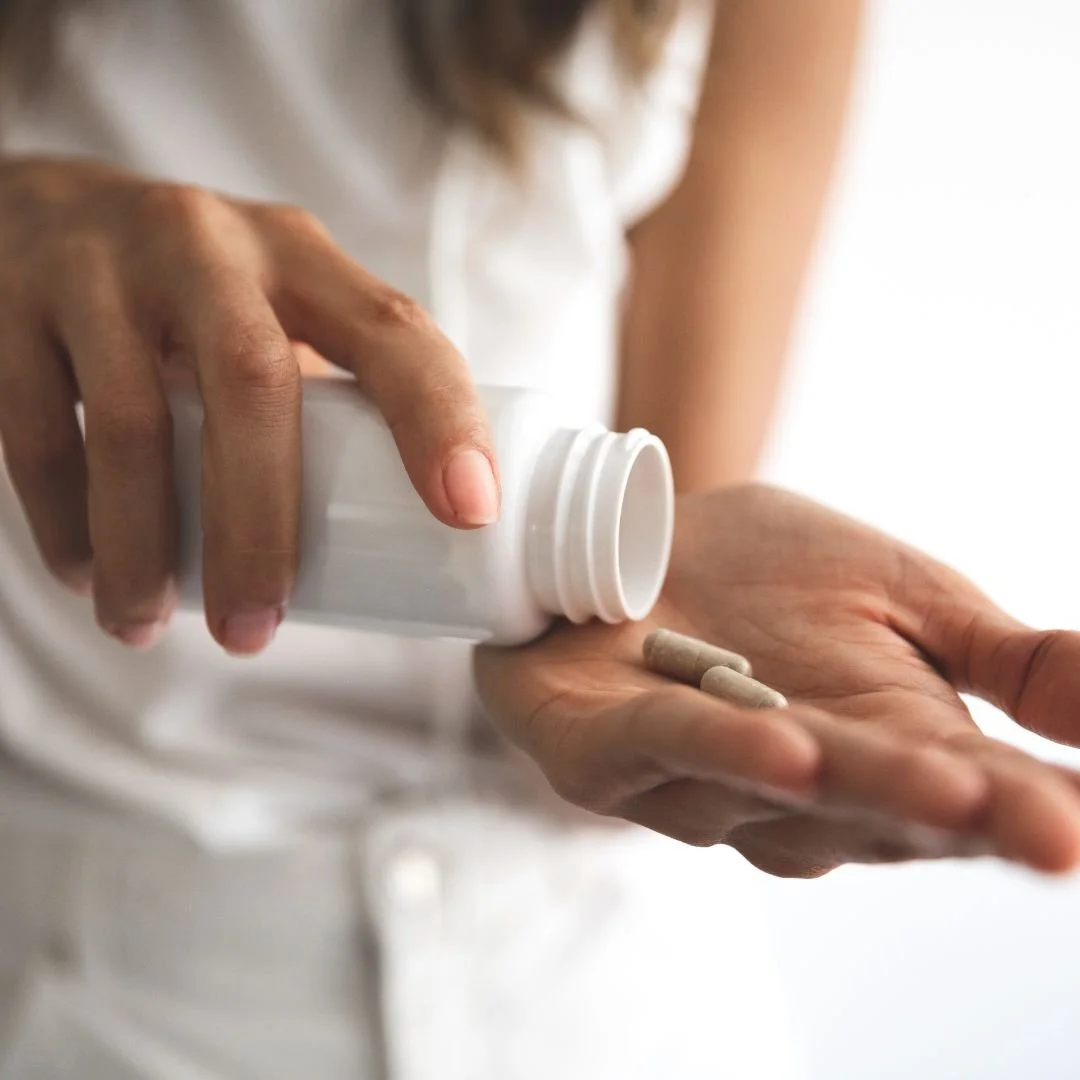
They usually come in capsule form, though you can find liquid and powder forms.
Dosage
Recommended dosage varies from person to person, depending on your iron levels, your diet and if you have any health conditions which mean you have higher iron requirements, so be sure to talk to your doctor or healthcare professional if you’re unsure. If your diet is adequate in iron rich foods then supplementation is generally not necessary, however for those who have iron deficiency anaemia supplementation is often recommended.
In general, the guidance for supplementation to resolve anemia is as below:
Ferrous Sulphate (7)
Capsules – one 200mg tablet, 1-3 times per day.
Droplets – 4ml, taken 1-2 times per day.
Ferrous Gluconate (8)
600 mg once daily, reduced if not tolerated to 600 mg once daily on alternate days.
Ferrous Fumarate (9)
210mg capsules – one taken 1-3 times daily
322mg capsules – one taken 1-2 times daily
140mg/5mls liquid – one spoonful taken 1-2 times daily
*It is important to consult with a doctor or dietitian before starting iron supplements if you have PCOS.
Side Effects and Contraindications
There may be some side effects when starting to take iron supplements, including nausea, vomiting, diarrhoea, stomach pain and constipation. These may be reduced if you take iron supplements with food, although the body absorbs iron supplements best on an empty stomach. If you are experiencing any of the symptoms mentioned here then you might want to speak to a healthcare professional to change to a supplement plan that works for you.
Some people with PCOS experience iron overload (too much iron), which can cause fatigue, weight loss, joint pain, brain fog and even liver damage. As supplementing iron whilst experiencing iron overload can be dangerous, it is essential to always consult with your doctor before considering taking an iron supplement.
Medication Options for Heavy Periods
If you experience heavy periods, there are options that you can talk through with your doctor to help improve this, such as intrauterine devices (IUDs), contraceptive pills, and medications like tranexamic acid that help reduce heavy bleeds. If you think you may need to explore these options, reach out to your doctor for more advice.
Overall verdict
Iron deficiency is more common than many people realise, especially for those with heavy periods, PCOS, or a diet low in iron. The good news? With the right support, it's entirely manageable.
Whether you're working to boost your iron levels through food, supplements, or both, small daily choices may help you and your PCOS symptoms and improve your quality of everyday life. Though, if you have PCOS then it is important to understand your iron status before starting supplementation.
There are so many supplement options out there, and some of them may even work well together. If you want to read more about supplements for PCOS, click on the links below: