Folic Acid for PCOS: Should I be Taking A Supplement?
It has become clear over the years that diet can have a huge impact on our health and even prevent and manage certain conditions...which is amazing, right? But what about specific supplements?
Whether you’ve just been diagnosed with PCOS or if you’ve been doing some digging into how to help your symptoms, there’s a lot of information about supplements out there, and it can be hard to know where to begin.
In this blog post, we’ll explore folic acid (sometimes known as folate) supplementation, why some people with PCOS experience low folate, and how you can increase the amount of folate in your diet to help you in your PCOS journey.
What is folic acid and folate?
Let’s clear up any confusion on what the difference is between folic acid and folate, as it’s actually very simple.
Folate is a B vitamin (vitamin B9), that has been linked to health benefits such as cell growth, making DNA and building some proteins in the body. Some research has also found that folate works well with vitamins B6 and B12 to prevent heart and blood vessel disease (1).
Folic acid is the man-made version that is used in supplements (see more about this in the supplements section below).
SImply put, folate is the natural form found in food, while folic acid is the synthetic form used in supplements and fortified foods. Folate from food needs to be converted by the body into the active form, methylfolate, in order to be absorbed and used. This happens in your gut. Supplemental folic acid (or folic acid found in fortified foods) needs to be converted into its active form (tetrahydrofolate) before being absorbed, however this happens in both the liver and the gut and is a much slower and less efficient process.
Folate deficiency
Folate deficiency is more common than you might expect, and is often due to a lack of variety in people’s diets. In addition, some evidence has shown that people with PCOS, especially those with insulin resistance, may be at higher risk of folate deficiency (2).
Other individuals are also at risk of deficiency, including individuals:
with absorption issues (e.g. coeliac disease)
emptying their bladder often (if you’re on dialysis, have heart failure or liver damage)
taking repeat medications (some epilepsy medications stop the absorption)
who are pregnant (due to increased needs and reduced absorption)
Even if you don’t fit into these categories, you may still experience low levels. Here are some symptoms that may indicate that your folate levels are a little low (3):
Feeling weak or tired
Vision problems
Heart palpitations or rapid breathing
Loss of appetite
Diarrhoea
These symptoms can also be signs of other health conditions. If you think you may have low folate but aren’t sure if you’re deficient, then speak to your doctor who may suggest you have a blood test to get some answers.
If you do have your folate levels tested, you can use the below guide on what the test result means:
Deficient: Serum folate below 7 nmol/L (3 mcg/L) or red blood cell folate below 340 nmol/L (150 mcg/L).
Borderline: Serum folate between 7-10 nmol/L (3-4.5 mcg/L). Further investigation, like red blood cell folate or B12 levels, may be needed.
Normal: Serum folate above 10 nmol/L (4.5 mcg/L).
If your levels indicate you have folate deficiency or even borderline levels, then you should speak to your doctor and you might want to try to increase the amount of folate in your diet or maybe even consider a supplement.
Folic acid benefits for PCOS and women’s health
Folate and folic acid are most famously known for their role in preventing neural tube defects in pregnancy. However, folate also plays an important role before the baby stage (!) in reproductive health and fertility, both of which can be relevant for those with PCOS. This includes its role in:
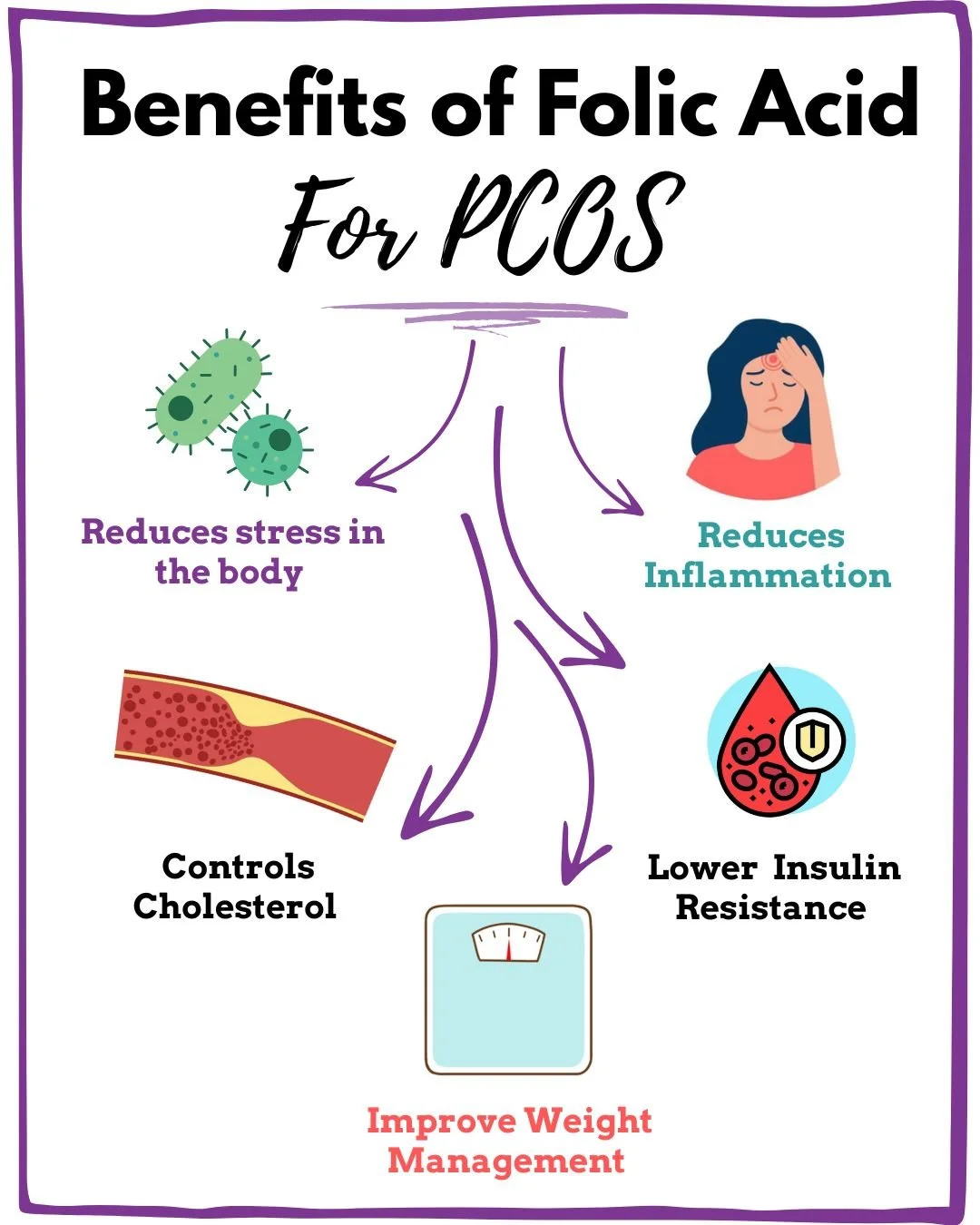
Ovulation and Fertility: Folate is essential for regulating ovulation and supporting the development of healthy eggs, which can be beneficial for women with PCOS who may experience irregular or absent ovulation (4,5).
Metabolic Health and Insulin Resistance: studies suggest that a daily 5mg folic acid supplement for 8 weeks may lead to improved insulin resistance and cholesterol levels (6).
Reduces Stress: folate supplementation may be able to reduce oxidative stress (7), which can lead to less inflammation and improvements in PCOS symptoms, such as ovarian health (including number of eggs and hormone levels) and pain.
There are very few studies looking at the benefits of folate carried out in people with PCOS and most are short in duration and have a range of findings, but there may be benefits to increasing your dietary folate intake or taking folic acid supplements. It is best to talk to your women's health dietitian to understand if supplementation is relevant for you or if dietary changes are recommended.
Folate and diet
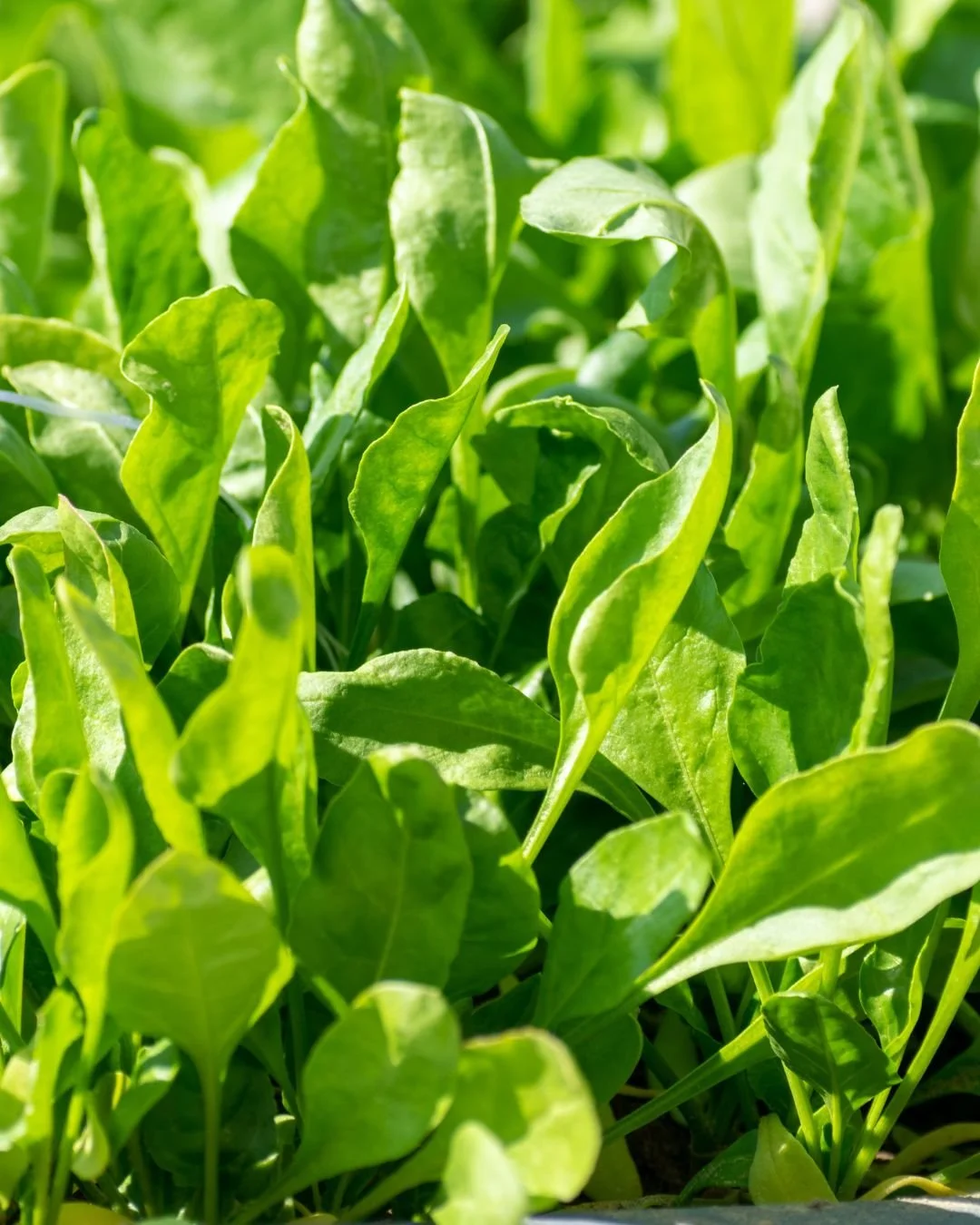
One of the best ways to get folate from your diet is through green leafy vegetables like broccoli, sprouts, lettuce, spinach and kale. If leafy greens aren’t your thing, kidney beans, chickpeas, and liver are also great ways to get it into your diet (8).
Here are some practical ways to increase your folate intake:
Add a handful of spinach to your smoothies or salad.
Add a handful of kidney beans into soups and stews, or even get creative and create a bean-based side dish.
Add some nuts to puddings and snack plates.
If you like cereal, opt for ‘folate-fortified’ options (this just means folate has been added in!)
Below are some useful recipes from our blog that are delicious and rich in folate (a double win!)
Folic acid supplements for PCOS
If you are struggling to add more folate-rich foods to your diet, then you may want to consider taking a supplement. There are two main types of folate supplements:
Folic acid: the most common form that is added to foods for fortification, but it needs to be converted into tetrahydrofolate and then methylfolate to be used by the body.
Methylfolate (5-MTHF): the most common form found in supplements and can be used directly by the body. It does not interact with other medications.
Dosage
Given the lack of research specifically looking at folate or folic acid supplementation in those with PCOS, it is difficult to give a recommended dose for those with PCOS, however the studies that have been carried out generally compared 1mg vs 5mg of folate and suggest that higher doses may bring more improvements in PCOS symptoms such as cholesterol and glucose levels, inflammation and insulin resistance (9,10).
If you are considering taking this high dose, then please do so under medical supervision, as symptoms of vitamin B12 deficiency can be potentially hidden.
If you’re in doubt about where to start, always check in with your doctor or registered dietitian to help you get started with a safe but effective dose.
Side Effects and Contraindications
Some people have reported experiencing side effects such as nausea, vomiting, loss of appetite, bloating, and wind. However, dosing and side effects vary from person to person.
If you are experiencing any of the above symptoms or any other unusual changes, contact your doctor or women’s health dietitian for help.
Top Tips for Choosing a Supplement
It can be difficult to know which supplements will be useful and if they are safe to use. When researching, ask yourself:
Is this third-party tested (to make sure the ingredients are accurate)
Will this supplement be easy to incorporate to my daily routine?
Does it contain the folic acid or methylfolate form?
Are there other supplements I should take alongside this one?
Overall verdict
There has been some promising evidence to suggest that increasing folate intake could help people with PCOS. It really comes down to personal symptoms (like insulin resistance or inflammation) and dietary habits - do you consume high folate foods in your diet already, or do you think you could add some from our suggestions?
By knowing your own individual PCOS journey and dietary habits, you can determine if a folic acid supplement may be an option for you. If in doubt, discuss it with a women’s health dietitian for some personalised advice.
There are so many supplement options out there, and some of them may even work well together. If you want to read more about different supplements for PCOS, click on the links below: