Eating well over the holidays
The holidays, whichever you celebrate… Christmas, Easter, Thanksgiving, Chinese New Year, etc… are always a challenging time when it comes to eating, especially if you have a complex relationship with food. The family dinners, friends get togethers and work parties, all centred around food and drink, can be a real trigger for overeating and can lead to increased feelings of guilt and anxiety.
This blog post explores why holiday eating is challenging and offers practical strategies to help you navigate the festive season with more ease, self-compassion and confidence around food.
Why is Christmas difficult
As the Christmas season rolls around we often find ourselves enjoying more evenings out; from a trip to see the festive lights, going to a work Christmas party, or meeting friends and family. Between these social events and the Christmas admin of sourcing the Christmas dinner ingredients, cooking for an army of people, buying the Christmas presents and organising the costumes for the nativity performance, we often end up burning the candle at both ends when it comes to the holiday period. What is even more challenging is that most of these events involve food - think mince pies and mulled wine, Christmas dinner with all the trimmings, gingerbread cookies, etc etc.
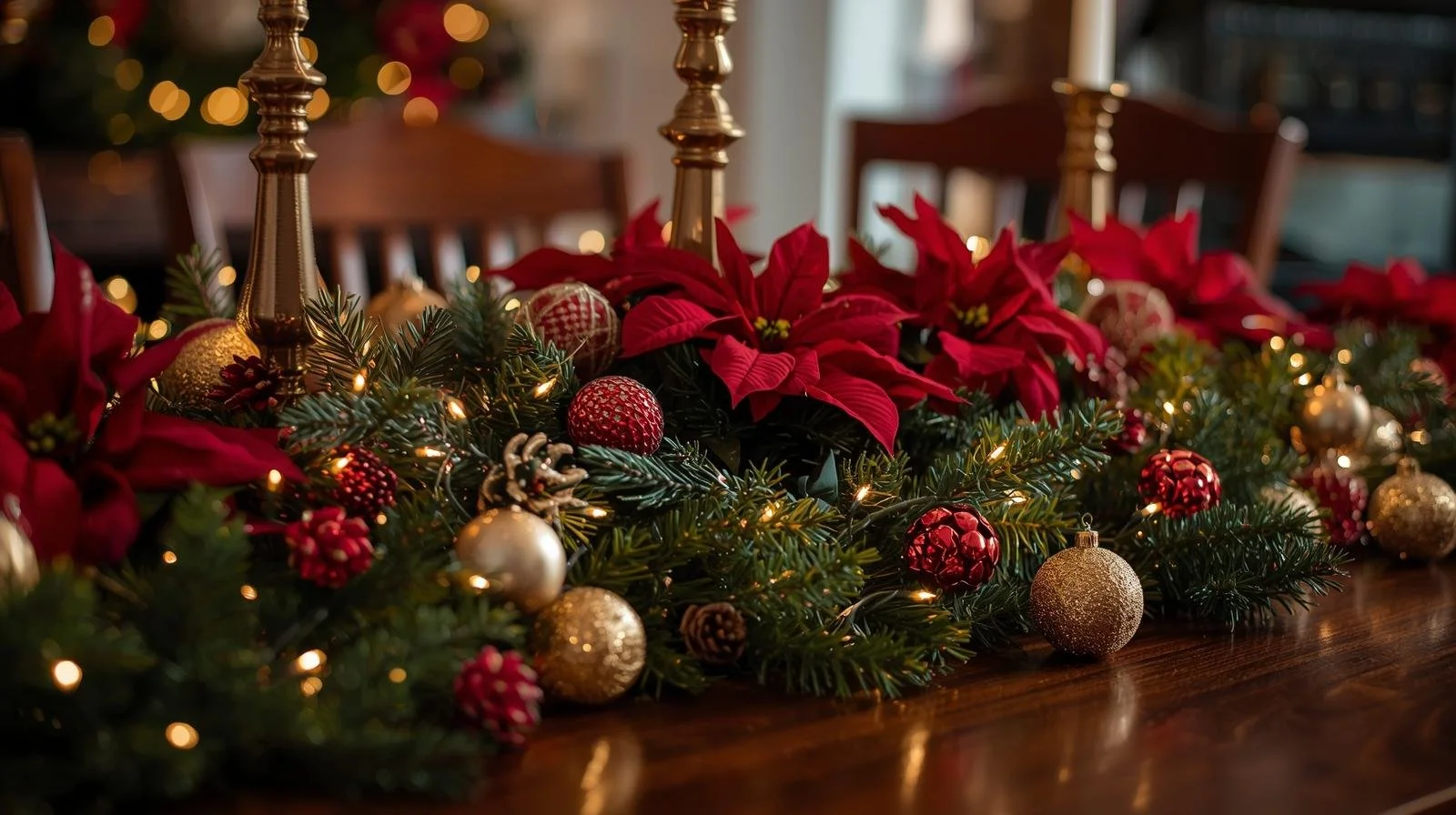
With this intense focus on food, the disruption of normal routines, social pressures, and the general stress of the holiday season, it is no wonder our eating habits can be affected at this time of the year.
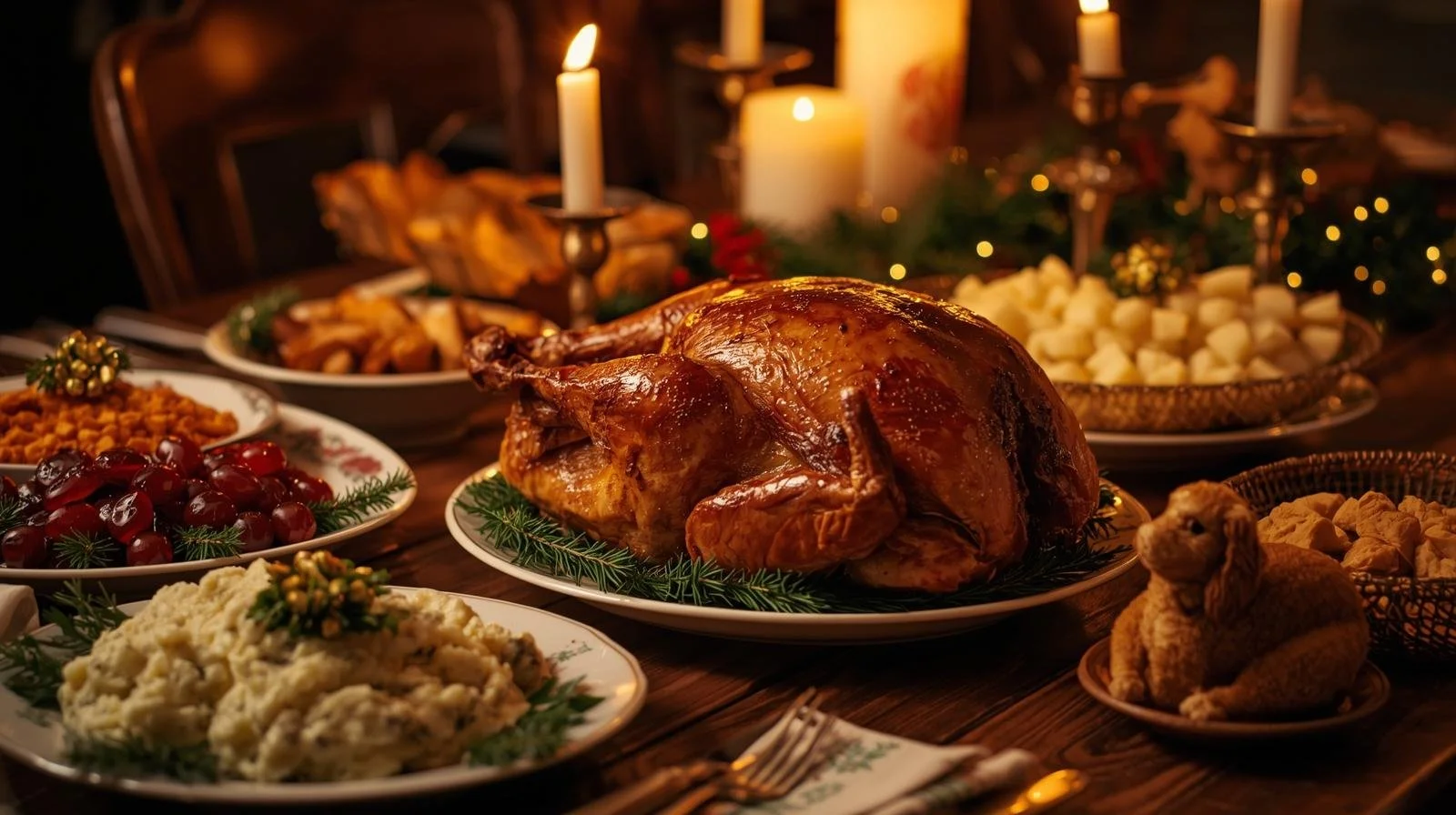
For many of us this means overeating as those tempting festive foods are out in full force - ‘just one more mince pie’, or going for seconds or thirds of the Christmas Turkey with Yorkshires - afterall, how often do you get to have cranberry sauce and sage and onion stuffing!?!
Navigating food at Christmas can be difficult due to several factors:
Abundance of Food: The sheer volume and variety of high-calorie, rich, or "forbidden" foods everywhere can be overwhelming and trigger anxiety, binge eating, or food restriction.
Mindless Grazing: With food and snacks (chocolates, nibbles, etc.) readily available around the house, it's easy to graze mindlessly throughout the day, leading to overconsumption without feeling physically or psychologically satisfied.
Emotional Eating: Christmas is an emotionally charged time, and we may turn to food for comfort to cope with stress, excitement, or boredom.
Disrupted Hunger Cues: Irregular eating and sleeping patterns can confuse the body's natural hunger hormones (leptin and ghrelin), making it harder to recognise when you're actually hungry or full.
Food Guilt: The societal message that one should "indulge" during Christmas and "detox" or diet in the new year can create a cycle of guilt and shame around enjoying food.
Social Pressure and Well-Intentioned Comments: Family gatherings and social events often revolve around family and friend gatherings for shared meals. This opens the doors to well-meaning comments like “haven’t you gained a little weight” or “are you having more christmas pudding!?” which can be unhelpful or even hurtful.

Diet Culture at Christmas
We often end up in this all or nothing thinking pattern at this time of year, and those diet culture messages often creep back in to our mindset…..perhaps thinking that we’ve failed if we eat past the point of comfortable fullness and we end up feeling like we need to lie down after a meal and loosen up our belt!
Feelings of guilt and shame that follow can be overwhelming and we may want to ‘compensate’ for our indulgences by missing meals the next day or trying to fit in a workout on an already jam-packed day.
However, we don’t have to listen to these internal thoughts, and we can work to challenge the dieting mentality and maintain healthy habits over the holidays.
How to challenge diet talk and stay healthy over the holidays
Firstly, take a deep breath and know it is okay to have eaten past comfortable fullness. Food is more than just fuel - it is celebration, family, love, community, tradition, memories, fun. This is part of being human. It is normal to want to enjoy food that tastes good and elicits positive emotions.
There’s lots we can do to prepare for this season of abundance to maintain healthy, balanced meals and take a mindful approach to festive food. Here are some strategies for mindful eating over the Christmas period:
1. Beware of the ‘All or Nothing’ Mindset
Seasonal foods that are around for a ‘limited’ time can give us a sense of urgency about eating them - think mince pies at Christmas, or even hot cross buns at Easter. However, in the world we live in, most foods are available all year round, so we know we can have them whenever we fancy them, not just during the holidays. This scarcity mindset makes us feel like we have to eat foods just because they are in front of us, and simply being mindful of this can help us reduce this eating behaviour.
2. Allow yourself to eat the food you fancy
You’re allowed to eat the mince pie, the roast potatoes, the chocolate tin favourites. Give yourself permission to include the foods you enjoy and try to slow down enough to really taste them, checking in with how your body feels as you go.
When we impose our own restrictions on ourselves we create the scarcity mindset which can lead to overeating or even binging. We end up in a binge-restrict cycle surrounded by feelings of guilt and shame. By allowing yourself to eat the foods you fancy you remove this all or nothing mindset.
3. Listen to your body
Being in tune with your body and understanding its signs and signals means we more easily recognise gentle hunger, comfortable fullness, and even tiredness, stress and all the things we might feel throughout the holidays.
Knowing when you are hungry and when you are satiated is a key part of mindful eating, and importantly, responding to these signals when you notice them. Our hunger levels won’t be the same every day, so be kind to yourself and honour those signs.
4. Have regular meals (and snacks if you need)
Skipping meals to compensate for indulgences doesn’t help in the long run as it pushes us back into the binge-restrict cycle. Regular and balanced meals are still important as they support sustained energy levels, help keep blood sugar levels stable, aid digestion compared to constant grazing, minimise overeating and also give us a sense of routine and grounding. This supports regulating our mood and allows us to better balance indulgence with healthy choices.
5. Maintain your healthy habits (as much as possible)
Although you may not have time for your usual work out in the gym, getting outside for a walk is a good alternative to keep your activity levels up and your mental health under control. Exercise, sleep, stress management and keeping yourself hydrated are even more important when we have busy periods so try to schedule time for your non-negotiables - an early night with a book, a yoga session, always keeping a glass of water nearby and even an hour to yourself with time away from noise and screens.
6. Eat before drinking alcohol
If you do drink alcohol then try to drink with meals, or if going out for christmas drinks then have a bite to eat before you go. This slows absorption of alcohol and reduces your chance of getting drunk!
Keep yourself hydrated by alternating alcoholic drinks with water - not only will this help avoid the seasonal hangovers, but dehydration can lead to tiredness which is the last thing we need in this busy season!
7. Focus on connection
Remember the holidays are not just about food! When you look back on this holiday season, you’re far more likely to remember moments of laughter, connection and warmth than whether you had “one more roast potato”.

Spending time with friends and family is much more important, so plan some fun events that don’t involve eating! Maybe an afternoon ice skating, a walk around town looking at the festive lights, or a game night with friends; anything that lets you spend quality time with loved ones. Food is part of the celebration, but it doesn’t have to be the only focus.
Final Thoughts
Let’s remember that Christmas and New Year can be full - full of events, full of food, and full of emotions - and although it should be a time of love and positivity, for some people it can be stressful and challenging.
With so much going on, let’s prioritise being kind to ourselves and others over the festive period. Remember that giving ourselves permission to enjoy all foods is honouring our hunger and our bodies’ desires, and by combining this with regular meals, maintaining healthy habits and staying grounded, we can make it easier to overcome the challenges of the holidays.