Fuel your fertility: The 7 best foods to increase fertility
When you’re trying for a baby, it’s natural to wonder if there’s anything you can do to boost your chances. One thing you can take charge of is your diet. The foods you eat can help keep your body in balance, support your hormones, and give you the nutrients you need for fertility. While no single food can promise a pregnancy, eating a variety of healthy, nutrient-packed foods can make a real difference.
In this post, we’ll look at 7 foods to increase fertility for women - why they’re helpful and simple ways to add them into your daily meals. Whether you’re just starting your journey or want to give your body extra support, these foods can help you feel healthier and more confident along the way.
1.Oily fish
When it comes to fish and fertility, oily fish like salmon, mackerel, and sardines top the list. They’re packed with omega-3 fats, which play an important role in hormone balance and supporting egg health. If you’ve ever wondered, “is salmon good for fertility?” - the answer is yes. And so are many others, such as mackerel, anchovies, sardines and herring (think SMASH).
Key nutrients: Omega-3 fatty acids (EPA and DHA), vitamin D, iodine, selenium, zinc.
Fertility benefits:

How to include it in your diet: Aim for 2-3 servings of oily fish per week. If you don’t eat fish, an omega-3 supplement may be a useful alternative – aim for 500mg daily of DHA and EPA combined.
You could try:
Mashing sardines onto toast with tomatoes
Mackerel salad
Read more about omega-3’s!
Fertility Benefits:
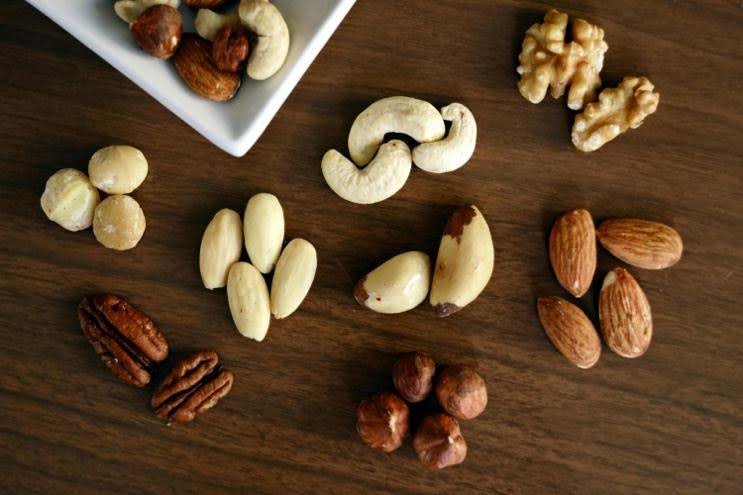
Support egg health → Foods rich in antioxidants like vitamin E and selenium can help protect eggs and keep them healthy (4).
Help balance hormones → Healthy fats give your body the building blocks needed to keep hormones steady, which in turn can encourage ovulation (5).
Boost blood flow → Seeds contain a protein building block called arginine, which helps with good circulation, including to the reproductive system (6).
How to include it in your diet: Aim for 1-2 tablespoons of seeds and a handful of nuts per day. These can be added to porridge, salads, smoothies or sprinkled on any main meal you are having.
You could try:
Snacking on a trail mix (great for on-the-go or travelling)
Mixed seeds and peanuts in a stir-fry
If you need more support with meal ideas or have questions about your diet to support you in your fertility journey, book a free enquiry call with Claire Pettitt, a women’s health dietitian, to find out how 1:1 support can help you.
3. Leafy green vegetables
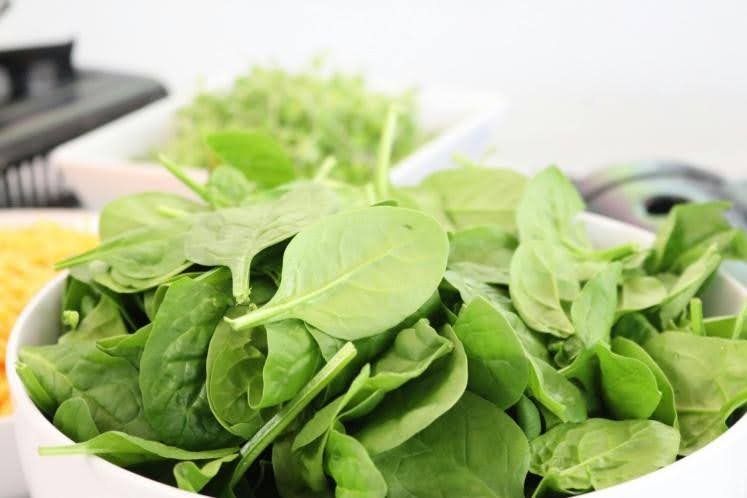
Leafy green vegetables provide many micronutrients that support not only fertility but also overall health, making them an important addition to your diet.
Key nutrients: Folate (vitamin B9), antioxidants (vitamin A, C, E), magnesium, zinc.
Fertility benefits:
Higher fertilisation rates → Folate supports egg quality, higher fertilisation rates, and reduces risk of miscarriage and neural tube defects (7).
Supports a healthy environment for the uterus → Antioxidants help to protect eggs and keep them healthy (8).
Support hormone balance → magnesium aids in regulating cycles and ovulation (9).
How to include it in your diet: Aim to add a serving of leafy green vegetables to your diet every day. This can be added to salads, sandwiches, curries, pasta dishes and even smoothies!
You could try:
Green kale pasta
Spinach, banana and nut butter smoothie
4. Eggs
Eggs are rich in nutrients and contain all the ‘building blocks’ to make a complete protein. They help support egg quality.
Key nutrients: Protein, vitamin D, vitamin B12, CoQ10, choline.
Fertility benefits:
Healthy egg development → Eggs contain choline, a nutrient that helps your eggs and embryos grow strong and healthy (10).
Cell growth support → The protein in eggs has all the “building blocks” your body needs to make hormones and grow new cells (11).
Better ovary function → The vitamin D in eggs helps your ovaries work properly, which can boost your chances of getting pregnant and having a healthy baby (12).
Improved egg quality → Eggs also contain CoQ10, an antioxidant that protects your eggs and helps increase the chances of a successful pregnancy (13).
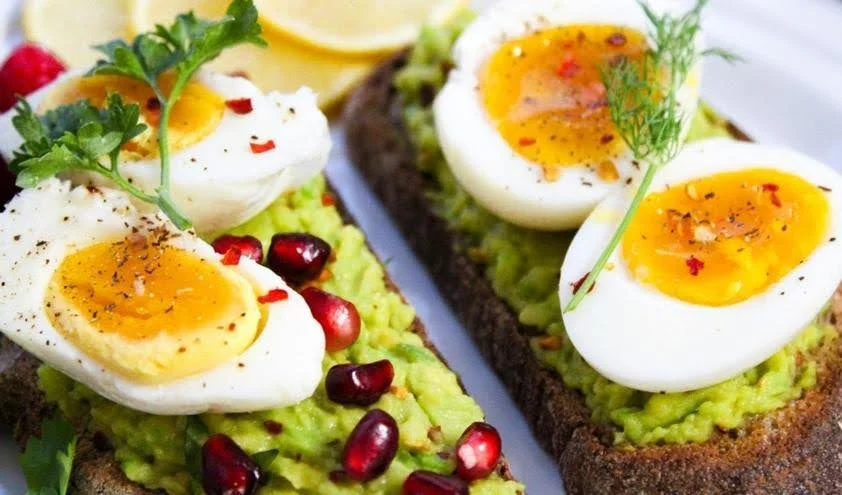
How to include it in your diet: Eggs are very versatile and make an easy breakfast option that is high in protein and low in sugar. Guidelines vary, but around 4-5 eggs per week is recommended for fertility benefits.
You could try:
Veggie and cheese frittata (perfect for any meal of the day and easy for on-the-go)
Quiche and side salad
Egg shakshuka
Scrambled eggs and avocado on wholegrain toast
5. Lentils
Lentils are not only a great source of plant-based protein, but also high in fibre and a great source of iron and folate.
Key nutrients: Plant-based protein, folate, iron.
Fertility benefits:
Better ovulation → Choosing more plant-based proteins (like lentils and beans) instead of meat can help your body ovulate more regularly and lower the risk of ovulation problems (14).
Stronger eggs & healthier pregnancy → Lentils are rich in folate, which supports egg health, improves fertilisation, and helps reduce the risk of miscarriage and birth defects (7).
How to include it in your diet: Aim for a portion of beans and legumes at least 5 times a week. If you aren’t used to eating them, try adding a spoonful to each dish, for example, bolognese, and then build it up.
You could try:
Lentil soup
Adding lentils to your salads
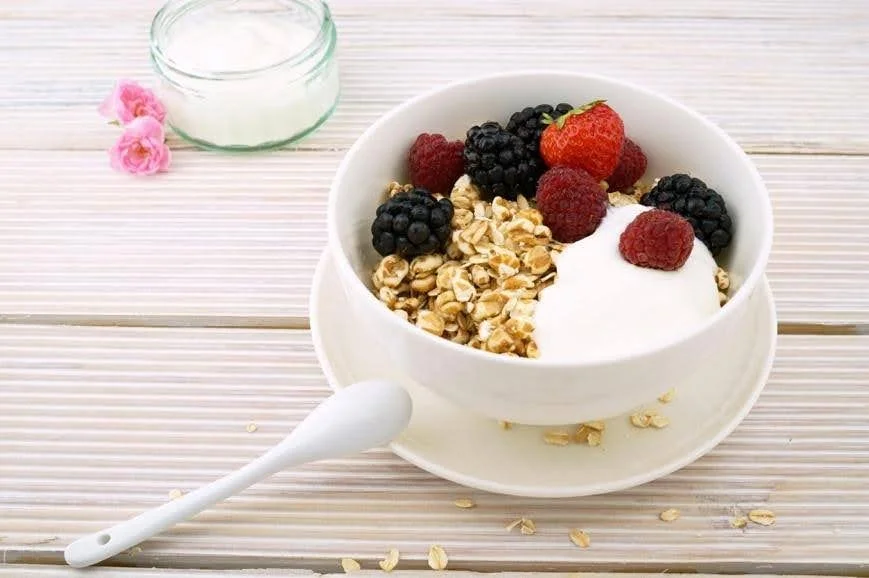
6. Greek yoghurt
Full-fat Greek yoghurt is a great source of protein, calcium and fat-soluble vitamins, which support sperm count and higher fertilisation rates of the egg.
Key nutrients: Healthy fats, calcium, fat-soluble vitamins eg vit D.
Fertility benefits:
Better chances of fertilisation → Eating more dairy foods has been linked to higher fertilisation rates and healthier pregnancy outcomes (15).
Supports hormones → Calcium in dairy helps your body develop follicles (where eggs grow), supports ovulation, and plays a role in early pregnancy (16).
Boosts ovary function → Vitamin D in dairy helps your ovaries work well, which may increase pregnancy and live birth rates (12).
Full-fat advantage → Research suggests full-fat dairy might lower the risk of ovulation problems compared to low-fat dairy (17).
Make it stand out
How to include it in your diet: Aim for 2 or more servings of Greek yoghurt a week for optimal health benefits.
You could try:
Greek yoghurt paired with berries, seeds and nuts
Homemade yoghurt dressing on salads
7. Beetroot
Beetroots contain high levels of nitrates, which the body converts to nitric oxide. Nitric oxide is great at helping blood flow, improving both female and male fertility.
Key nutrients: Nitric oxide, antioxidants.
Fertility benefits:
Helps with implantation → Beetroot boosts blood flow to the uterus and ovaries, creating a healthy womb lining that makes it easier for an embryo to implant (18).
Protects reproductive health → The antioxidants in beetroot help protect eggs from damage and support overall fertility (19).
How to include it in your diet: Add beetroot to your diet 2 times a week for fertility benefits.
You could try:
Beetroot burgers
Beetroot and feta salad
Beetroot hummus
Summary
When it comes to boosting fertility, there’s no single “magic food.” But eating a healthy, balanced diet full of nutrient-rich foods like nuts, oily fish, lentils, eggs, and colourful veggies like beetroot & spinach can make a real difference for your fertility. These foods give your body the vitamins, minerals, and healthy fats it needs to support fertility and prepare for a healthy pregnancy.
If you’d like more personalised advice on how to use food to support your fertility journey, you don’t have to figure it out alone. Book a free enquiry call with Claire Pettitt, a fertility specialist dietitian, today and get the guidance you need to feel confident in your next steps.
References
Effect of omega-3 supplements or diets on fertility in women
Influence of L-arginine supplementation on reproductive blood flow
Dietary folate and reproductive success among women undergoing assisted reproduction
Minerals and the Menstrual Cycle: Impacts on Ovulation and Endometrial Health
Choline supplementation influences ovarian follicular development
The potential of a simple egg to improve maternal and child nutrition
Vitamin D and assisted reproductive treatment outcome: a systematic review and meta-analysis
Dairy intake in relation to in vitro fertilization outcomes among women from a fertility clinic
Minerals and the Menstrual Cycle: Impacts on Ovulation and Endometrial Health
A prospective study of dairy foods intake and anovulatory infertility
The Importance of Natural Antioxidants in Female Reproduction