Does going gluten-free help with PCOS?
There is currently no good evidence that following a gluten-free diet improves PCOS symptoms.. A gluten-free diet is important if you have coeliac disease and may be appropriate if you have another gluten intolerance, but most people with PCOS do not need to avoid gluten.
You’ve probably heard that gluten and Polyendocrine metabolic ovarian syndrome (PMOS), formerly known as PCOS, are a troublesome duo. A quick scroll through TikTok or Instagram and you’ll hear conflicting views. One PMOS influencer says going gluten-free for PMOS helped her manage her weight; another says the opposite. This is really confusing - right? Managing PMOS is tough already; adding social media and all the information online into the mix can make it even harder! Well, that’s what this blog is for.
We’ll be debunking this duo to find out if gluten affects PMOS, what the latest evidence says, who should and shouldn’t avoid gluten and how to actually support your symptoms without a restrictive diet.
But first, what actually is gluten?
What is gluten?
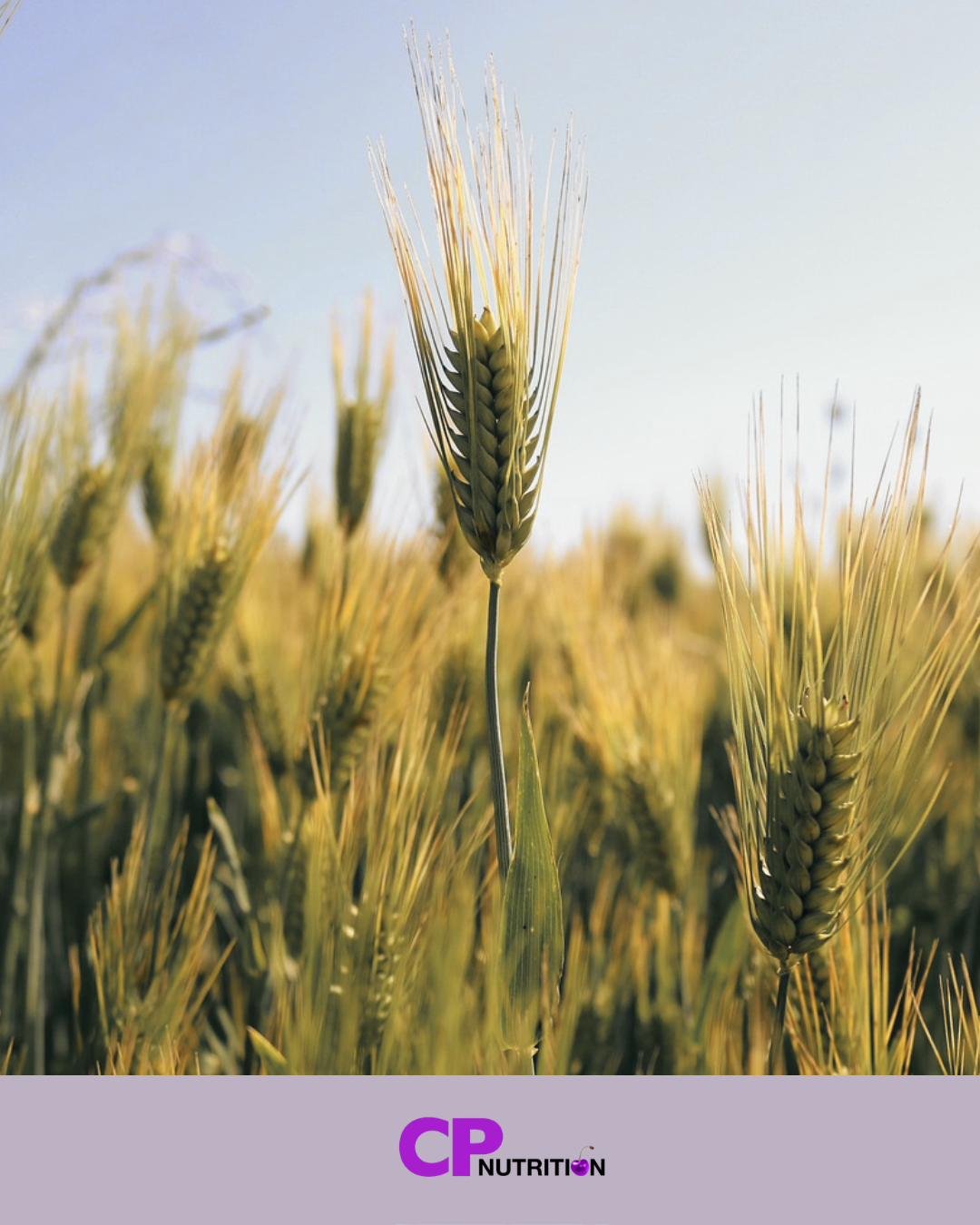
Gluten is a protein found in wheat, barley and rye (and sometimes oats due to processing). Therefore, any foods containing these ingredients contain gluten.
While some foods are more obvious, e.g. bread and pasta, others are harder to detect, such as shop-bought sauces, which may contain wheat-based thickeners. So checking food labels is essential.
Table 1 shows which foods contain gluten.
Table 1: Which foods contain gluten?
| Food Type | Does it contain gluten? |
|---|---|
| Fruits and vegetables | No* |
| Meat and animal products | No* |
| Dairy | No* |
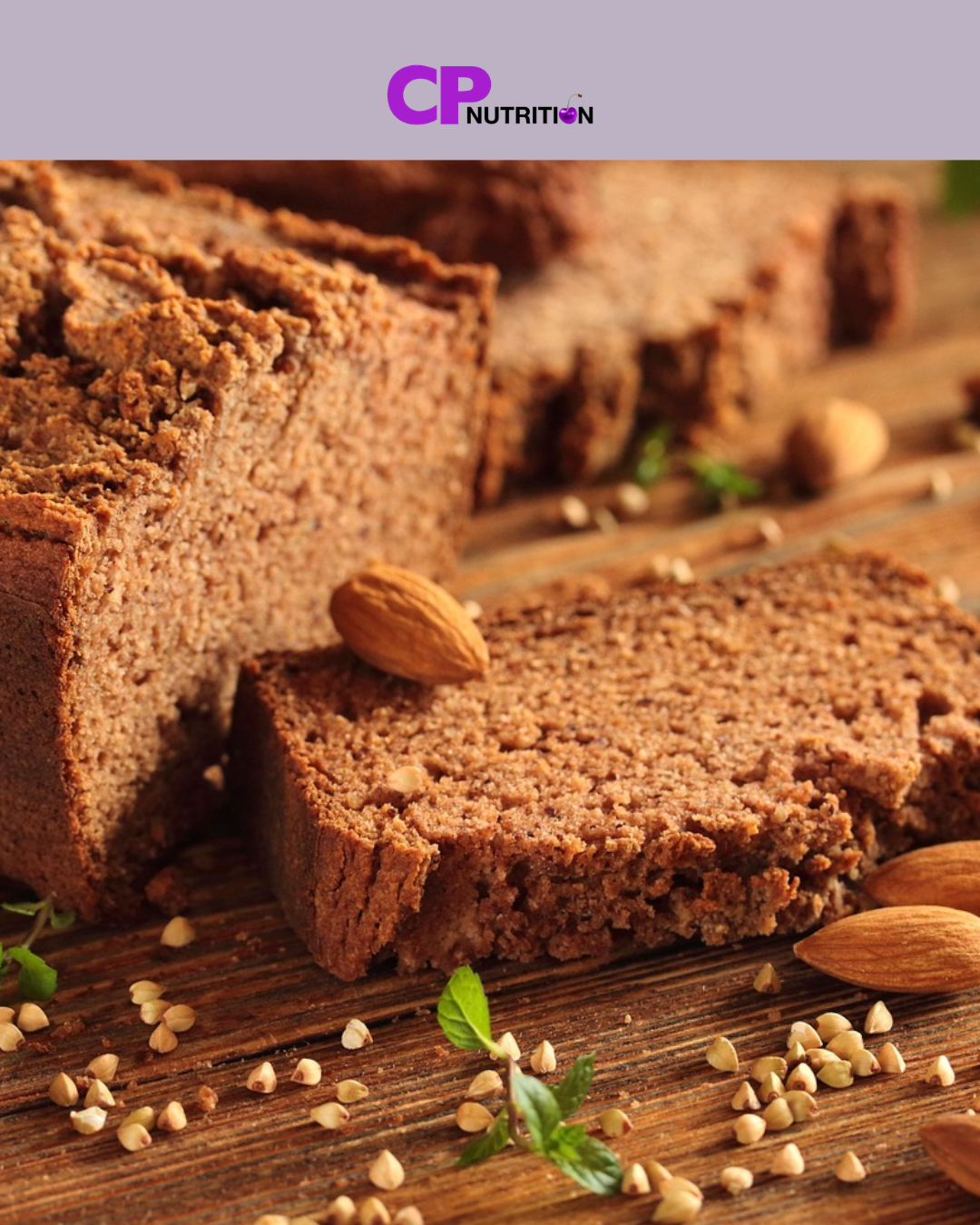
| Grains and starchy foods | Depends. Breads, baked goods, pasta, noodles and cereals naturally contain gluten. Rice, quinoa, buckwheat, corn and potatoes are gluten-free. |
| Legumes, nuts and seeds | No* |
*These foods are naturally gluten-free, but processed or flavoured products may contain gluten, so check the label where appropriate.
What is the difference between coeliac disease and gluten intolerance?
Coeliac disease is an autoimmune condition. This means your body attacks itself when you eat gluten which can cause damage to your gut, prevent nutrients from being absorbed and cause inflammation. Eating gluten-containing foods when you have coeliac disease may trigger diarrhoea, stomach aches, general tiredness, rashes and even infertility (1).
On the other hand, an intolerance or sensitivity to gluten usually involves milder and less harmful symptoms, like bloating, abdominal pain etc. These symptoms may only last a couple of hours, but this will vary between individuals (2).
Why do people think gluten worsens PCOS symptoms?
The 2 main claims commonly seen online are:
1. Gluten is inflammatory
Wellness influencers online often claim that gluten causes inflammation in the body, which can make symptoms worse. However small amounts of inflammation straight after eating are normal and some individuals with PMOS may already experience chronic inflammation (that can worsen inflammatory symptoms).
2. Gluten causes bad gut health
You may have seen online that going gluten free improves your gut diversity which is the amount of healthy bacteria in your gut. Having healthy bacteria in your gut means you’re more likely to absorb food and have lower levels of inflammation.
If you’d like gentle, realistic support in your inbox, join our free fortnightly email newsletter. You’ll get simple tips, recipes and support every two weeks - so you can feel less overwhelmed and more in control of your PMOS/fertility.
Does gluten cause PCOS?
So does eating gluten actually cause PMOS. No, not at all. The only credible pathway that may show a link between gluten and PMOS, is that some gluten-containing foods, such as white bread, cakes and pastries, can have a greater effect on blood glucose (5). However, this is related to factors such as the type and amount of carbohydrate, fibre content and overall meal - not the gluten itself. This can be particularly relevant if you have PMOS and insulin resistance, as this is a driver that can worsen PMOS symptoms, so reducing these types of foods can be beneficial.
Because women’s health is often under-researched, the true cause of PMOS is actually unknown. Other potential drivers for PMOS may be (of which gluten isn’t one!) (6):
Hormone Imbalances: having too much of a certain hormone (like LH) can also affect egg development and may even cause anovulation.
Possible Genetics: some scientists believe that certain genes may affect the likelihood of having PMOS, but this area requires a lot more research to be sure (7).
Does gluten make PCOS worse?
So we know that eating gluten doesn’t cause PMOS, but can it make your symptoms worse?
There are actually no studies looking specifically at the effects of gluten on individuals with PMOS.
Some animal studies have shown gluten-free diets reduce insulin resistance in those with diabetes, but we can’t be certain that these effects will be seen in humans (8). A study in the USA also found that gluten-free diets were associated with better weight management. However, there was no difference in outcomes like HbA1c (a measure of blood glucose levels over 2-3 months), fasting blood glucose or cardiovascular risk factors (9).
A summary of the research can be seen in Table 2.
Table 2: Gluten and PCOS: what does the evidence actually say?
| Claim | Is the claim accurate? |
|---|---|
| Gluten causes PMOS. | No. There are no studies on this. |
| Gluten worsens PMOS symptoms in individuals with PMOS | No. There are no studies on this. |
| Gluten causes insulin resistance | No. There is no evidence to suggest this. Eating refined carbohydrates can cause sharp rises in blood glucose levels (5) but this is not attributed to gluten. |
| Gluten causes inflammation | Depends. If you have coeliac disease or a gluten intolerance then you may be more likely to have an inflammatory response after eating gluten (1). There is no evidence for other individuals that gluten causes inflammation and studies actually show that eating a balanced diet is beneficial for chronic inflammation, commonly seen in PMOS (3). |
| A gluten-free diet improves cardiovascular risk factors | A gluten free diet may help with weight management but there is no benefit to HbA1c, fasting blood glucose and cardiovascular risk factors (9). |
| A gluten-free diet improves gut health | Depends. A gluten-free diet can increase good bacteria in the gut, but only in individuals with coeliac disease or gluten intolerance (2, 4). This is not seen in other individuals. |
Should you go gluten free if you have PCOS?
A gluten-free diet without the right support can cause more harm than good. It may result in lower than required fibre, iron, folate, niacin and zinc intake.
If you don’t have coeliac disease and aren’t gluten sensitive/intolerant, opt for a low glycaemic index diet rather than cutting out gluten altogether.
Should women with PCOS go gluten and dairy free?
Many people claim that going gluten and dairy-free was the only thing that helped their PMOS. But because PMOS is a complex metabolic condition, it’s hard to know whether these ‘anecdotes’ are because of an existing sensitivity to gluten or dairy.
Research on the effects of dairy and gluten for PMOS are also conflicting (10, 11). More research exploring PMOS and gluten and dairy-free diets is definitely needed, especially as these foods contain essential micronutrients like vitamin D, B12, B2, calcium, iron, folate, etc. Cutting both dairy and gluten out completely, if not necessary, may lead to malnutrition.
Common myths about gluten and PMOS
Myth 1: Gluten causes inflammation in everyone with PMOS
There is no evidence showing this. In fact, people with PMOS may already experience some inflammation, regardless of gluten consumption.
Myth 2: Gluten causes bad gut health which can worsen PMOS symptoms
Again, there are no studies showing this happens in PMOS or non-PMOS individuals. Eating gluten has only been shown to cause bad gut health in people who are already gluten sensitive.
Myth 3: Everyone with PMOS should follow a gluten-free diet
No! PMOS is complex and a blanket statement like this may cause more harm than good. There is no evidence to suggest that a gluten-free diet is the best approach for people with PMOS.
FAQ’s on gluten and PCOS
1. Is a gluten-free diet a healthy diet?
Not always. Cutting out gluten can be tricky and you might feel yourself gravitating towards foods high in saturated fats and low in fibre, vitamins and minerals. These can destabilise your blood sugar levels and cause short-term inflammation, and so going gluten-free when it’s not needed may cause more harm than good.
2. Is a gluten-free diet helpful for PMOS?
There isn’t any scientific evidence to show that going gluten-free will help PMOS symptoms. But if you have gluten intolerance and PMOS, then it can be helpful in reducing inflammation. Remember, restricting your diet might actually cause more intense cravings which could worsen certain symptoms. Instead, opt for a healthy and balanced diet, packed with protein, healthy fats, fibre and low glycaemic index foods, to manage your PMOS symptoms.
3. Should I eat gluten-free bread if I have PMOS?
No, unless you have coeliac disease or are gluten intolerant/sensitive, you do not need to eat gluten-free bread unless it is your taste preference. Why not opt for a wholegrain/wholemeal option instead - this will help keep you fuller for longer and is suitable if you have insulin resistance. It’s also a much cheaper option!
A dietitian’s view on gluten and PCOS
As a women’s health dietitian working everyday with people with PMOS, I can count on one hand how often I actually recommend a gluten free diet and this is usually due to some underlying gut health issue alongside PMOS, such as coeliac disease. This doesn’t mean it is not something I am asked about a lot, as foods high in gluten are often high in carbohydrates, another food group often demonised in the PMOS world.
But my answer is always to think first about why you want to restrict gluten in the first place? What symptoms are you trying to improve and could there be other underlying causes for those symptoms? We often start with a thorough review of PMOS symptoms and status as well as look at gut health and diet quality. Unfortunately I often find that people with PMOS who are restricting gluten are actually making their PMOS and gut symptoms worse by excluding high fibre foods which contain gluten. A comprehensive review of diet and symptoms allows us to identify if there are any underlying issues outside of PMOS, and prioritise symptom resolution through making easy and achievable diet and lifestyle changes.
Summary
All in all? Gluten and PMOS is a complex relationship that will vary depending on the individual.
The key takeaway is that you don't need to avoid gluten simply because you have PCOS. There isn't currently good evidence that gluten causes PCOS or that removing it improves PCOS symptoms. If you have coeliac disease or another diagnosed gluten-related condition, avoiding gluten may be appropriate. Otherwise, focusing on the overall quality, variety and balance of your diet is likely to be more useful than removing gluten unnecessarily.
If you’re nodding along to this, you don’t have to figure it out alone. You can book a free 15-minute enquiry call with me Dr. Claire Pettitt, specialist women’s health dietitian, to talk about your PMOS journey and next steps - no pressure, just a chance to ask questions about 1:1 support and explore your options.
References:
This article was researched and drafted by Maleeha Ali, a graduate dietitian. To ensure the highest standards of evidence-based practice, it was rigorously reviewed, edited, and approved for publication by Dr. Claire Pettitt, Founder of CP Nutrition.