PCOS and zinc: Why zinc might be a game-changer for your PCOS symptoms
The list of “must-have” supplements and foods for PCOS (now known as PMOS- Polyendocrine Metabolic Ovarian Syndrome) may feel endless and it can be constantly tiring trying to figure out what has an impact and what doesn’t. But could a zinc supplement be that missing piece to managing your PMOS symptoms?
Zinc can get a lot of hype in the PMOS community. You may have come across some pretty big claims about what it can do - like its ability to balance your hormone levels, improve your insulin sensitivity, or even give your metabolism a boost.
If those terms sound like a foreign language, you aren’t alone! It is completely understandable to feel overwhelmed. In simple terms, people are essentially saying that zinc might help clear your skin, manage your blood sugar, and support your energy levels. But are these claims backed by science, and do you need a zinc supplement to see results?
In this blog post, we’re cutting through the chaos. We have reviewed evidence on PCOS and zinc to explore how it impacts everything from your complexion to your fertility - explaining the science in a simple way that actually makes sense to you.
What is zinc?
Before digging into PMOS and all the specifics, let’s look at what zinc actually does. Zinc is an essential trace element, which in scientific terms means you “have to eat it regularly, as your body doesn’t store it”.
Think of zinc as the ultimate multi-tasker for your body. It acts as an ‘on-switch’ for over 300 different jobs, from helping with your skin to helping with how your body breaks down food. Zinc is working behind the scenes in almost every system in your body to keep things running smoothly (1).

Symptoms of zinc deficiency
As zinc is involved in so many processes in the body, when you don’t have enough, it can show up in various ways. Some of the most common signs that your metabolism is asking for support are:
Brittle nails - are they splitting/damaged?
Hair thinning or hair loss
Skin inflammation (like acne)
How to know if you are deficient in zinc
The most obvious place to start might be asking your GP for a blood test. However, a blood test may not show you the full story. Only around 1% of your body’s zinc is actually found in your blood, and the rest is found within your cells and bones (2).
Blood tests may therefore come back normal even if you are deficient so looking for any of the symptoms listed above and identifying whether you are including high-zinc foods may be a better way to get the full picture (3).
Zinc and PCOS- how much do you need?
Research suggests that people with PCOS/PMOS often have lower levels of zinc compared to those without PCOS/PMOS (4), which may be due to your body “using up” zinc more rapidly when dealing with chronic inflammation (5).
The standard UK recommended amount of zinc that women should consume is around 7mg of zinc per day (6). However, because of higher inflammation levels in those with PMOS, this may mean you need more zinc than the average woman.
If you do choose to supplement with zinc, it is important not to take more than 25mg of zinc per day unless advised to by a doctor. This is because zinc and copper are essentially "competitors" and having too much zinc reduces the amount of copper the body can absorb, which may lead to anaemia or weakened bones (6). Additionally, for those with hemochromatosis, a condition where the body absorbs and stores way too much iron from your food, zinc supplements should not be used at all.
If you have questions about PMOS or your diet to support you in your PMOS journey, book a free enquiry call with Claire Pettitt, a PMOS specialist dietitian, to find out how 1:1 support can help you.
Is zinc good for PCOS/PMOS?
As mentioned, zinc is involved in many systems in the body so it makes sense that zinc may support many different PCOS symptoms. These include:
Skin
Recent studies show that zinc helps reduce the activity of androgens (male-type hormones), which are usually the culprit behind hormonal acne and excess hair growth - so if acne or stubborn hair growth are a problem for you then it may be worth finding out more about zinc (3).
Inflammation
As mentioned before, PCOS often comes with low-grade, “hidden” inflammation. Zinc acts as a powerful antioxidant, helping to reduce cell damage (3).
Insulin resistance
If you have PMOS, you’ve likely heard of insulin resistance as it links to many other PMOS symptoms, and up to 80% of people with PMOS have insulin resistance. Having insulin resistance can lead to weight gain, skin issues and a “hangry” feeling as your body is not able to use insulin as efficiently as it should.
The science is really encouraging here. A major review of several studies found that zinc supplements for PCOS led to a significant “levelling symptoms” effect - specifically improving fasting blood glucose (your stable sugar levels) and making the body more sensitive to insulin (7).
Heart health
Zinc helps lower triglycerides (a type of fat in your blood). This is important because having PMOS is often linked to increased risk of cardiovascular disease, as it can lead to high cholesterol and worsened heart health markers. By keeping these fats in check, zinc acts as a metabolic shield for your heart (7).
Fertility
Research looking at the fluid surrounding the eggs (follicular fluid) in people with PMOS found that when zinc levels were below a certain threshold, there was a significant decrease in the number of mature eggs and the embryo quality. Essentially, zinc helps ensure that the location in which your eggs live is optimal for them to thrive and grow (8), so if fertility is important to you, then zinc could be a helpful nutrient.
Food sources of zinc
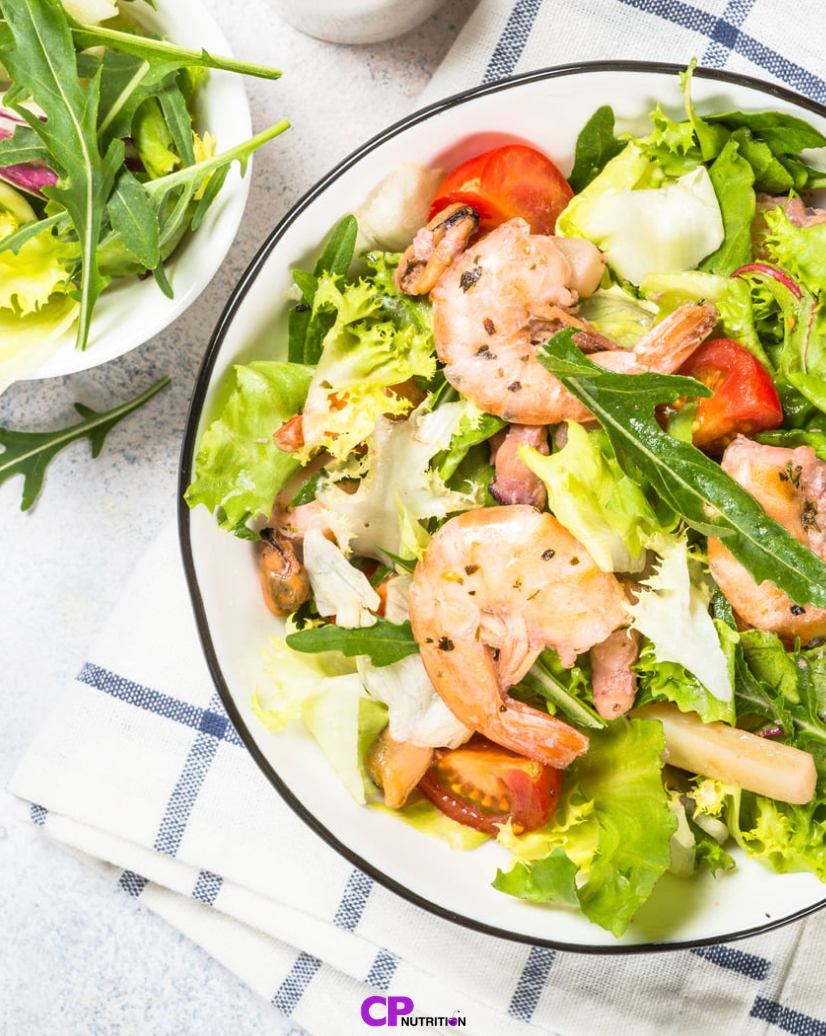
While supplements can be helpful, I always recommend looking at your plate first. Here are several excellent sources of zinc that are easy to incorporate into your daily routine (6).
Meat: Beef, lamb and pork
Shellfish: Such as crab, mussels and oysters
Dairy: Cheese and yoghurt
Grains: Bread and cereal products (specifically wheatgerm).
Meal ideas to help get enough zinc
Here are some meal ideas that can help you include more zinc into your diet:
The seafood salad: fresh crab or tuna salad served with whole-grain bread
The power breakfast: a bowl of Greek yoghurt, blueberries and raspberries, topped with a tablespoon of toasted wheatgerm and a sprinkle of pumpkin seeds
The protein bowl: quinoa with lean beef strips or tofu and a sprinkle of pumpkin seeds and tahini
Zinc supplements for PCOS
When to consider a supplement?
A supplement might be worth discussing with your dietitian or GP if:
You are experiencing persistent symptoms related to zinc deficiency eg hair thinning, acne or slow wound healing
You follow a vegan or vegetarian diet, as plant-based zinc is harder for the body to absorb
You have confirmed low levels through blood testing
Bioavailability: which form is best?
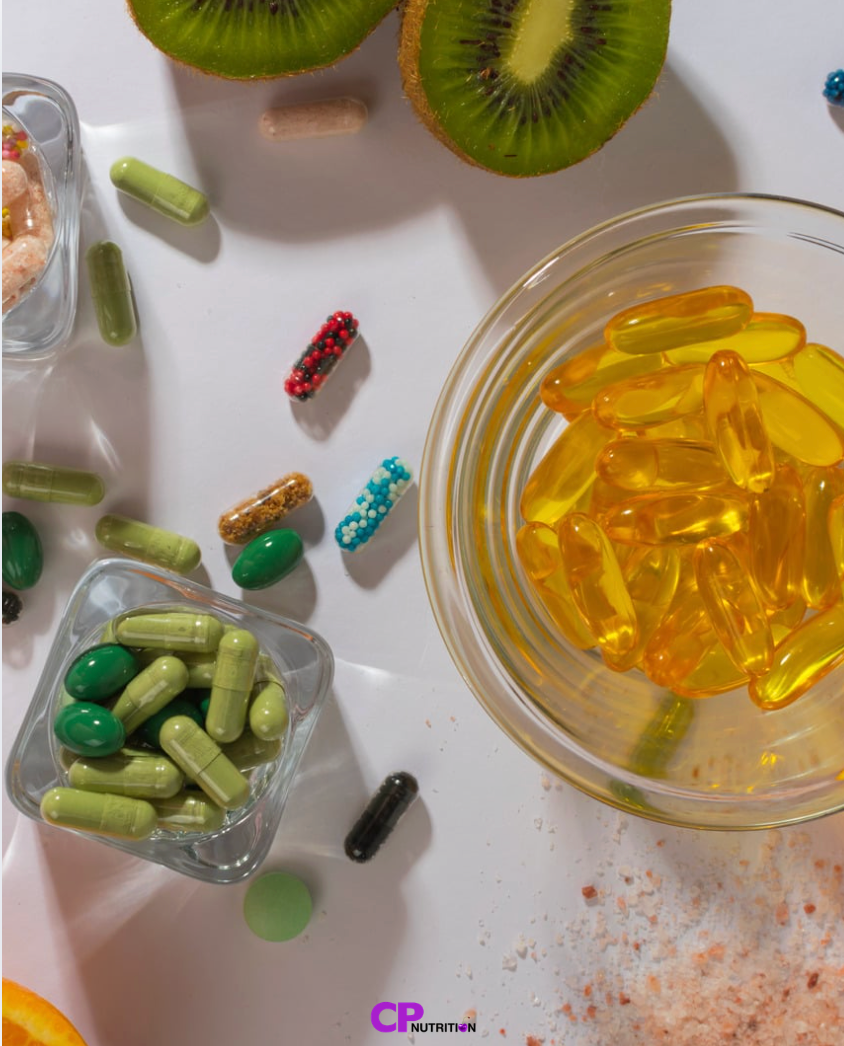
When looking for a zinc supplement, you will find there are several different forms available:
Zinc Picolinate: this is great for absorption. If your main goal is managing hair loss or acne, this is a perfect choice.
Zinc Bisglycinate: this is the most gentle on the stomach. If you have experienced feeling sick after taking a multivitamin, this is a good form to choose.
Zinc Carnosine: this could be a good choice if your main symptoms with PMOS are bloating and gut issues, as it helps to reduce digestive inflammation, above all (9).
Zinc Citrate: a reliable all-rounder. It is well-absorbed and usually affordable. This is a good middle-ground choice if you want quality without the premium price tag (10).
Zinc Gluconate: the most common form found in high-street pharmacies. It is effective, budget-friendly and a solid option for general PCOS support (10).
Side Effects and Contraindications
As with any supplement, you need to be aware of the potential side effects before popping them in your mouth, and zinc is no different. Some things you want to consider before taking zinc supplements include:
Nausea: Taking zinc on an empty stomach often causes nausea so it is best taken with a meal
Avoid taking your zinc supplement with coffee! There are “tannins” in coffee which means that zinc absorption can be blocked (11).
Medications: Check with your GP or pharmacist that any prescribed medication you are taking doesn’t affect zinc absorption!
How long does it take to be effective?
Patience is key. When you start focusing on zinc, whether through food or supplements - patience is important. Because zinc works on hormone regulation, it often takes about three months of consistency to see noticeable changes in your energy levels, skin or hair (12).
Once your symptoms start improving, you may no longer need a supplement and can rely on your diet. Speak to a healthcare professional if you have any queries!
So at the end of the day is zinc good for PCOS?
While zinc is very important in relation to PCOS/PMOS, it is important to remember that it works best as part of a holistic approach. Optimising your zinc levels is a fantastic step, but it works well when paired with a balanced diet, consistent movement and management of stress.
Attempt to bridge any potential zinc deficiencies with zinc-rich foods like seeds, shellfish and whole grains before jumping to high-dose supplements. If you decide to supplement, stick to the recommended safety limits stated above. If you are unsure about how a supplement could interact with current medications, always consult with a healthcare professional or a specialist dietitian.
If you’d like gentle, realistic support in your inbox, join our free fortnightly email newsletter. You’ll get simple tips, recipes and support every two weeks - so you can feel less overwhelmed and more in control of your PMOS.