Does turmeric help with PCOS?
There is currently insufficient evidence to recommend turmeric powder as a treatment for PCOS. Most research has investigated concentrated curcumin supplements rather than turmeric powder, tea or golden milk. There are potential benefits for blood glucose regulation and total cholesterol, but evidence for improving hormone levels, menstrual regularity and other symptoms remains limited. There is no established turmeric or curcumin dose for PCOS, and supplements should not replace established care.
You may have come across recipes for turmeric tea or golden milk to help with PMOS (formerly known as PCOS) and wondered whether they actually work. With conflicting advice everywhere, it can be difficult to know what is worth trying. Let’s explore what the latest research tells us about PMOS and turmeric, including the important difference between curcumin supplements and turmeric in food, their potential benefits and what to consider before taking a supplement or including turmeric in your diet.
What is turmeric, and how is it different from curcumin?
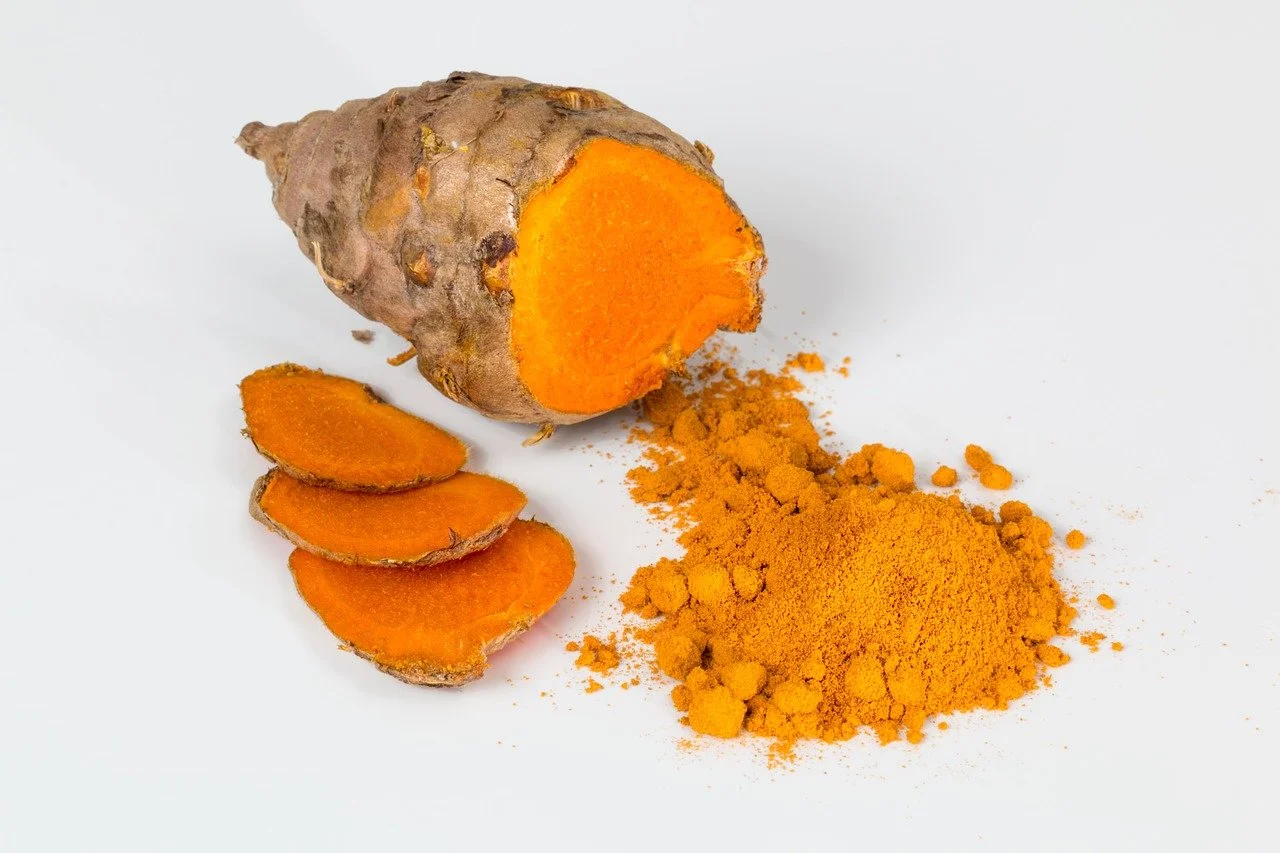
Turmeric is a golden-yellow spice made from the underground stem of the Curcuma longa plant, which belongs to the ginger family. It contains several natural compounds, including curcumin, which gives the spice its yellow colour (1).
Turmeric used in cooking contains varying amounts of curcumin, while supplements provide a more concentrated dose. Some supplements are designed to help the body absorb and use curcumin more easily, which is known as improving bioavailability (2). Most research into PMOS has studied concentrated curcumin supplements rather than turmeric used in everyday cooking, so we cannot assume that they have the same effects. This blog will explore the scientific evidence behind curcumin supplements and using turmeric in foods and drinks for PMOS.
What are the potential benefits of turmeric for PCOS?
When exploring how turmeric can support your health, it is worth keeping in mind that most scientific studies focus on curcumin supplements rather than the amount of turmeric you might use in everyday cooking. Let’s look at the various claims about turmeric and see what the evidence actually tells us.
Can turmeric help with insulin resistance in PCOS?
Insulin resistance, where your body’s cells don’t respond to insulin as well as they could, is common in PMOS and can affect energy, cravings and your cycle. Studies suggested that curcumin supplements may improve certain blood markers linked to insulin resistance in PMOS, such as fasting blood glucose, insulin, and HOMA-IR. However, these studies did not examine whether changes in those blood markers actually led to a direct reduction in the PMOS symptoms related to insulin resistance (3,4).
Can turmeric reduce inflammation in PCOS?
Chronic, low-grade inflammation is a very common feature of PMOS, and curcumin is known for its antioxidant and anti-inflammatory properties. Studies found that curcumin supplementation could help lower C-reactive protein (CRP), which serves as a key marker of inflammation (5). Even so, researchers are still determining whether these biochemical changes translate into noticeable, long-term symptom relief.
Can turmeric help balance hormones and regulate periods?
Irregular cycles are another common hurdle with PMOS. Research has shown that participants taking curcumin supplements experienced fewer absent or irregular periods compared to the placebo group, though there were no significant overall changes in hormone levels such as testosterone or SHBG (a protein that affects how much testosterone is available to the body). So while supplementation shows promise for menstrual cycle regularity, we still need more research to understand if it can help optimise hormone levels like androgens (male sex hormones including testosterone (3,6).
Does turmeric help with other PCOS symptoms?
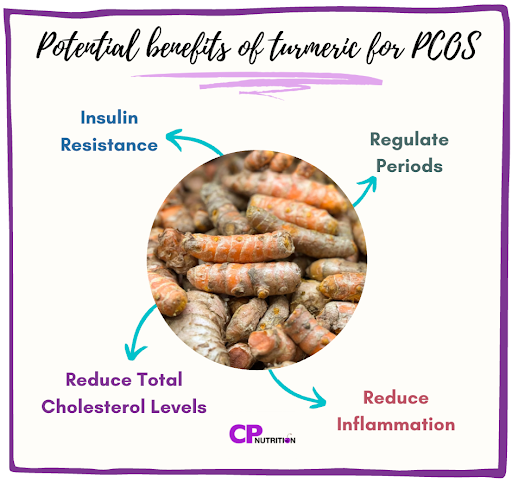
Clinical studies have observed a decrease in total cholesterol among participants taking curcumin. However, improvements in specific lipid markers- such as LDL cholesterol (often referred to as "bad" cholesterol, which can build up and narrow your blood vessels) and HDL cholesterol (often called "good" cholesterol, which helps remove other forms of cholesterol from your bloodstream) - were mixed, alongside triglycerides (3). Additionally, current research has not yet shown a significant, direct improvement in other common PMOS symptoms like unwanted hair growth, acne, or ovulation and pregnancy rates (4,7).
Is turmeric good for PCOS?
When deciding whether to incorporate curcumin supplements into your wellness routine, it helps to look at the big picture based on current research. Curcumin supplements offer potential support for insulin resistance, inflammation and cycle regularity, though they show no clear benefit for acne, hair growth, or fertility, and cholesterol results remain mixed (3,4,5,6,7).
Because therapeutic amounts far exceed typical culinary use, supplements are necessary to target these specific benefits, and they are often designed to help the body absorb and use curcumin more easily (2).
Ultimately, curcumin supplements are worth considering if you want extra support for the specific benefits mentioned, but they are entirely optional.
| PMOS Features/ Symptoms | Potential Effect of Curcumin Supplements | Evidence |
|---|---|---|
| Insulin Resistance | May improve fasting blood glucose, insulin, and HOMA-IR | Supported by several reviews; though direct symptom reduction needs more study (3,4) |
| Inflammation | Helps lower C-reactive protein (CRP) | Supported by a systematic review and meta analysis of 7 randomised controlled trials (gold standard) (5) |
| Menstrual Regularity | Associated with fewer absent or irregular periods | Promising trend, but studies show little impact on underlying testosterone levels (3,6) |
| Cholesterol & Lipids | Lowers total cholesterol | Results for LDL, HDL, and triglycerides remain mixed (3) |
| Hair Growth, Acne, & Fertility | No significant improvement shown | Current clinical trials do not indicate a direct benefit in these areas (4,7) |
If you have questions about PMOS or your diet to support you in your PMOS journey, book a free enquiry call with Dr. Claire Pettitt, a PMOS specialist dietitian, to find out how 1:1 support can help you.
How much turmeric should you take for PCOS?
There is currently no official, evidence-based recommended dose or duration for turmeric or curcumin in managing PMOS (1). If you want to target specific benefits, such as improving insulin resistance, simply adding turmeric powder to your food is unlikely to be enough; you would probably need to take curcumin supplements because the active curcumin content in everyday cooking is far lower than the amounts used in clinical research.
If you choose to take supplements, the research studies discussed above have used daily doses between 500 mg and 1,500 mg of curcumin, however, it is not yet clear how long you should take curcumin supplements to see a long standing benefit (3).
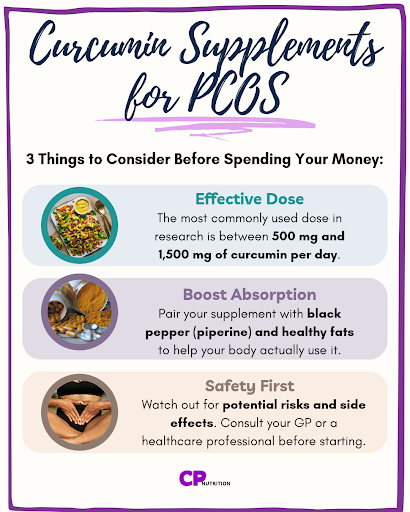
It is also difficult to translate these specific supplement doses directly into teaspoons of turmeric powder. This is because the amount of active curcumin varies significantly between different culinary products and preparations (8) with one teaspoon of ground turmeric (roughly 3g) containing anywhere from 50mg to 200mg of curcumin, depending on the quality and brand of turmeric.
Because curcumin is naturally poorly absorbed and quickly cleared by the body, taking these supplements with piperine (black pepper) and a meal containing healthy fats (curcumin is fat-soluble) significantly boosts how much curcumin your body can actually use (9,10).
Are there any risks or side effects of turmeric supplements?
Supplements provide more concentrated amounts of active compounds and may carry additional risks. Possible side effects of consuming turmeric powder or taking curcumin supplements include nausea, acid reflux, stomach discomfort, diarrhoea and constipation (1). There are three important things to consider before taking turmeric supplements:
1. Potential interactions with medications
Turmeric and curcumin supplements may interact with certain medicines, but this does not mean they interact with all medications. For example, taking them alongside blood-thinning medicines, such as warfarin, may increase the risk of bleeding (11). This is because curcumin may affect how blood platelets work, although the evidence on these interactions is limited, and using turmeric in your food is unlikely to increase your risk as the amount used in cooking is usually low . If you are taking medication, speak with your GP or a registered dietitian before considering a turmeric supplement.
2. Liver safety concerns
Turmeric supplements could cause liver inflammation (hepatitis), which may raise liver enzyme levels and lead to jaundice (yellowing of the skin or eyes). While the exact cause is not fully understood, cases have been linked to high doses or formulations designed to improve curcumin absorption (12,13,14). If you have a liver condition, speak with your GP or a registered dietitian before considering a turmeric supplement.
3. Considerations during pregnancy, breastfeeding or when trying to conceive
While lab and animal studies suggest possible risks for early development, these effects haven't been proven in humans and depend heavily on the dose and product type (15,16). Also, laboratory studies have suggested that curcumin may affect milk production, but this has not been confirmed in breastfeeding women, and it is not known whether turmeric could pass into breast milk (17,18). If you are pregnant, breastfeeding or trying to conceive, speak with your GP or a registered dietitian before considering a turmeric supplement.
Turmeric powder used in cooking is different from a concentrated curcumin supplement. Using turmeric in everyday cooking is generally considered safe for most people.
How can you include turmeric powder in your diet?
While there is no clear clinical evidence proving that everyday turmeric powder is effective for treating PMOS, largely due to a lack of specific studies and the challenge of converting culinary amounts into the active curcumin levels used in research, we still encourage incorporating it into your daily cooking for its wonderful flavour, culinary versatility, and as part of a healthy, wholesome lifestyle.
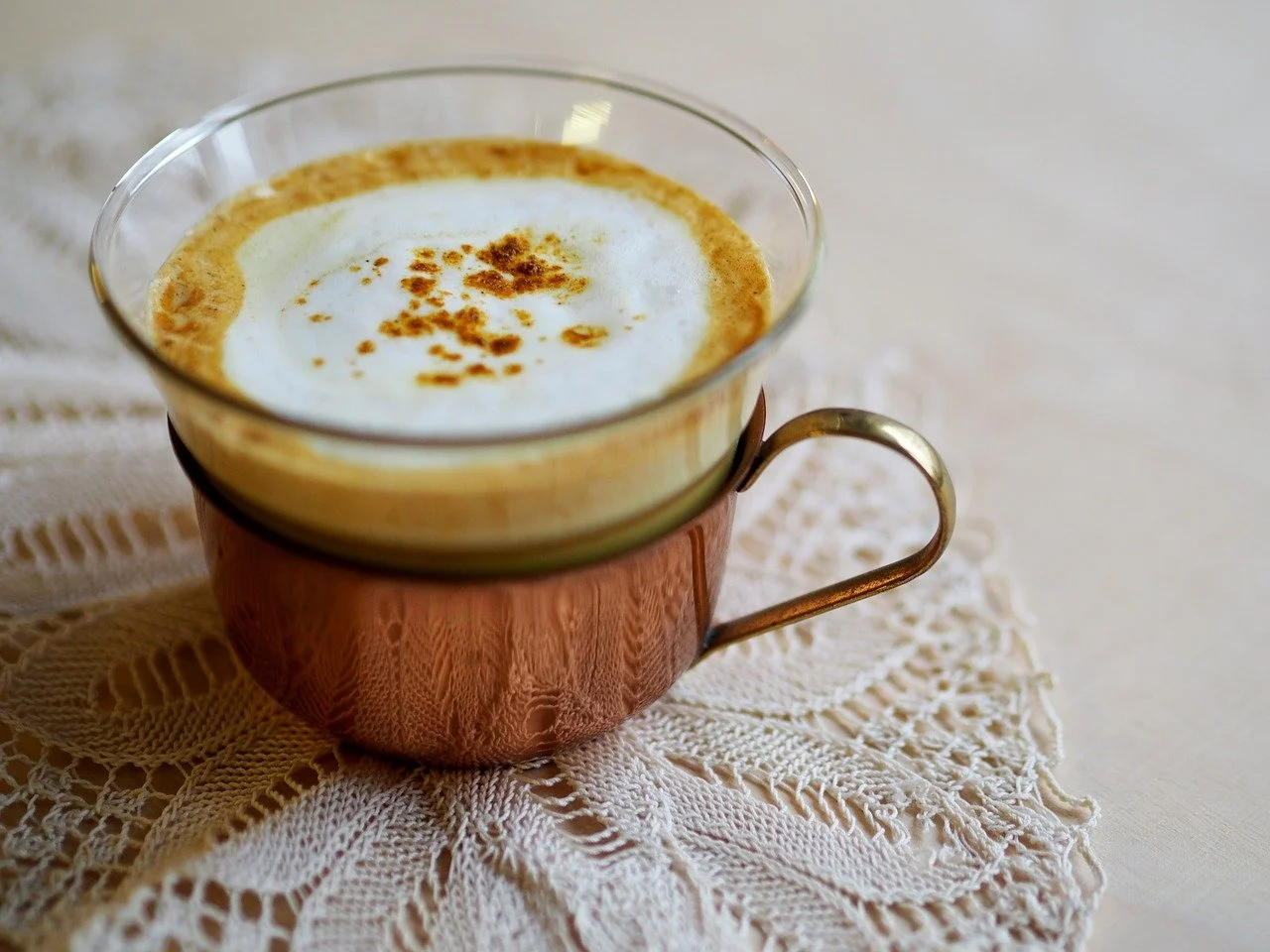
Beyond savoury meals, popular options like turmeric tea and golden milk are also widely searched and offer a soothing, cozy way to enjoy the spice. Here are five of our favourite recipes using turmeric powder:
1. Spinach and Sweet Potato Dahl
A comforting lentil dish with spinach, sweet potato and warming spices. Serve warm with a side of whole-grain flatbread or over a bed of fluffy brown rice.
2. Coconut and Butternut Squash Curry
A mild, creamy curry with turmeric and ginger. Enjoy alongside steamed jasmine rice, quinoa, or a fresh cucumber side salad.
3. Chickpea, Mango and Curried Cauliflower Salad
A colourful combination of chickpeas, cauliflower, mango and spices. Pair with grilled chicken, baked tofu, or stuffed inside warm pita pockets.
Homemade crackers seasoned with turmeric and other spices. Perfect for dipping in creamy hummus, guacamole, or pairing with sharp cheddar cheese.
5. Pineapple turmeric smoothie
A tropical-flavoured drink made with pineapple, mango and coconut. Pair with a handful of raw almonds or a scoop of your favourite protein powder for a balanced breakfast.
Common myths about turmeric and PCOS
Myth 1: Turmeric can "cure" PCOS in a few weeks.
PMOS is a complex, chronic condition with no overnight fix or single cure. While curcumin supplements can help manage inflammation and insulin resistance, it is a supportive wellness tool rather than a magic bullet, and any noticeable shifts require consistency over time.
Myth 2: Turmeric can completely replace Metformin or birth control.
Curcumin supplementation is a complementary approach and cannot replace prescribed medical treatments. Medications like Metformin and hormonal birth control target specific metabolic and endocrine pathways that supplements do not replicate. Always consult your GP or a PMOS specialist registered dietitian before altering any medication plan.
Myth 3: Adding a pinch of turmeric to your food is enough.
Adding turmeric to your cooking is a lovely way to add flavour and colour. It just provides much less curcumin than the supplements used in research, so it’s unlikely to have the same effects. Even with supplements, the evidence is still limited.
FAQs about turmeric and PCOS
Should I take a turmeric supplement to manage PCOS?
It depends on your personal health goals. If you are looking for extra support to target insulin resistance, chronic inflammation, or cycle regularity, a curcumin supplement can be a valuable addition alongside your overall routine.
Is a turmeric supplement better than adding turmeric to my diet?
For specific therapeutic benefits, yes, because supplements provide concentrated, standardized doses of curcumin that cannot be matched through food alone. However, cooking with turmeric is still wonderful for flavour and a wholesome lifestyle.
What is the best time of day to take turmeric for PCOS?
While there is no specific time of day mandated by clinical research, taking your turmeric supplement with a meal containing healthy fats and black pepper significantly boosts absorption.
What specific dosage is backed by science?
Clinical studies examining PMOS markers commonly evaluate daily doses between 500 mg and 1,000 mg of curcumin, though it is not yet clear how long you should take curcumin supplements to achieve long-standing benefits.
Are there any times when women with PCOS should avoid turmeric?
Turmeric in cooking is safe for most people. However it’s best to avoid high-dose turmeric or curcumin supplements if you are pregnant, breastfeeding or trying to conceive, have a liver condition, or take medication that could interact with them, unless your GP or dietitian has advised otherwise.
Is turmeric powder or supplements something I would recommend? My professional opinion
Ultimately, my recommendation comes down to how you plan to use it. If you are looking for a delicious way to enrich your daily routine and enjoy food and drinks with turmeric flavour, incorporating turmeric powder into your kitchen is a fantastic choice. However, if your goal is to actively support specific PMOS challenges - such as easing insulin resistance, calming chronic low-grade inflammation, or encouraging cycle regularity - high-quality curcumin supplements are the way to go. They bridge the gap between everyday cooking and the active doses backed by science.
Remember that turmeric is a supportive player, not a standalone cure or a replacement for medical therapy. When used mindfully as part of a balanced, personalised lifestyle, turmeric powder and curcumin supplements can be a wonderfully empowering addition to your PMOS journey.
If you’d like gentle, realistic support in your inbox, join our free fortnightly email newsletter. You’ll get simple tips, recipes and support every two weeks - so you can feel less overwhelmed and more in control of your PCOS/fertility.
References
Therapeutic effect and safety of curcumin in women with PCOS: A systematic review and meta-analysis
Warfarin and food, herbal or dietary supplement interactions: A systematic review
Medicines containing turmeric or curcumin - risk of liver injury
Clinical and Research Information on Drug-Induced Liver Injury
This article was researched and drafted by Tsang Jangle Wong, a Dietetics student at Birmingham City University, as part of our structured student placement scheme. To ensure the highest standards of evidence-based practice, it was rigorously reviewed, edited, and approved for publication by Dr. Claire Pettitt, Founder of CP Nutrition.