PCOS and Hunger: Why you feel hungry - and what can actually help
Does PCOS make you feel more hungry?
Yes, PCOS can make you feel hungrier than usual. Hormonal changes linked with PCOS can affect the way your body regulates appetite and fullness. Insulin resistance, leptin resistance, changes in ghrelin and CCK, higher androgen levels, stress and poor sleep may all contribute to increased hunger or feeling hungry again soon after eating.
If PCOS is affecting your appetite, strategies such as choosing lower-GI, fibre-rich foods, including protein and healthy fats in snacks, eating mindfully, exercising regularly, managing stress and getting 7–9 hours of sleep may help you manage hunger and feel fuller for longer.
Living with Polyendocrine Metabolic Ovarian Syndrome (PMOS), previously known as Polycystic Ovary Syndrome (PCOS), may leave you feeling overwhelmed with symptoms like increased hunger, irregular periods, acne and thinning hair - all taking control of your everyday life (1). For many, hunger can feel unpredictable and be much stronger than expected. Some days you might have lunch at noon and, by 3 pm, catch yourself starving again.
If this sounds familiar, it's not a personal failing or lack of willpower, but a biological response your body has because of PMOS. Hunger in PMOS is often misunderstood as overeating, but in reality, changes in the balance of your hormones can actually lead to these unpredictable feelings of hunger.
This blog post will explore the types of hunger you may experience with PMOS, what causes you to feel hungry and what you can do to help manage it.
What are the types of hunger?
Not all hunger is the same, and being aware of the reason for your hunger is a great first step in figuring out how to manage it. The four main types of hunger are:
Physical hunger
This is one that most of us would be quite familiar with - when your stomach is growling and you can't stop thinking about food - we’ve all been there. This hunger usually disappears once we eat.
Emotional hunger
This is when our feelings cause us to feel hungry to try to help us to cope with our emotions. This form of hunger is actually a very clever part of our biology and can be completely normal, as long as food is not the only coping mechanism you have.
Mouth/Taste hunger
This is what we’d usually call a craving. It's driven by the experience of eating and the sensory aspect of food. This could include the way the food looks, smells or tastes to you.
Practical hunger
This is when you eat because you need to. For example, you might eat even if you don't feel hungry if you know that you will not get the chance to later. This type of hunger might be more common if you have a busy schedule.
How is appetite regulated?
Appetite regulation is the way our body controls when we feel hungry and when we don’t. It is a very complex process and involves our nervous system and hormones (2). When this is not balanced, it can either make you feel hungry and eat more, or feel less hungry and eat less.
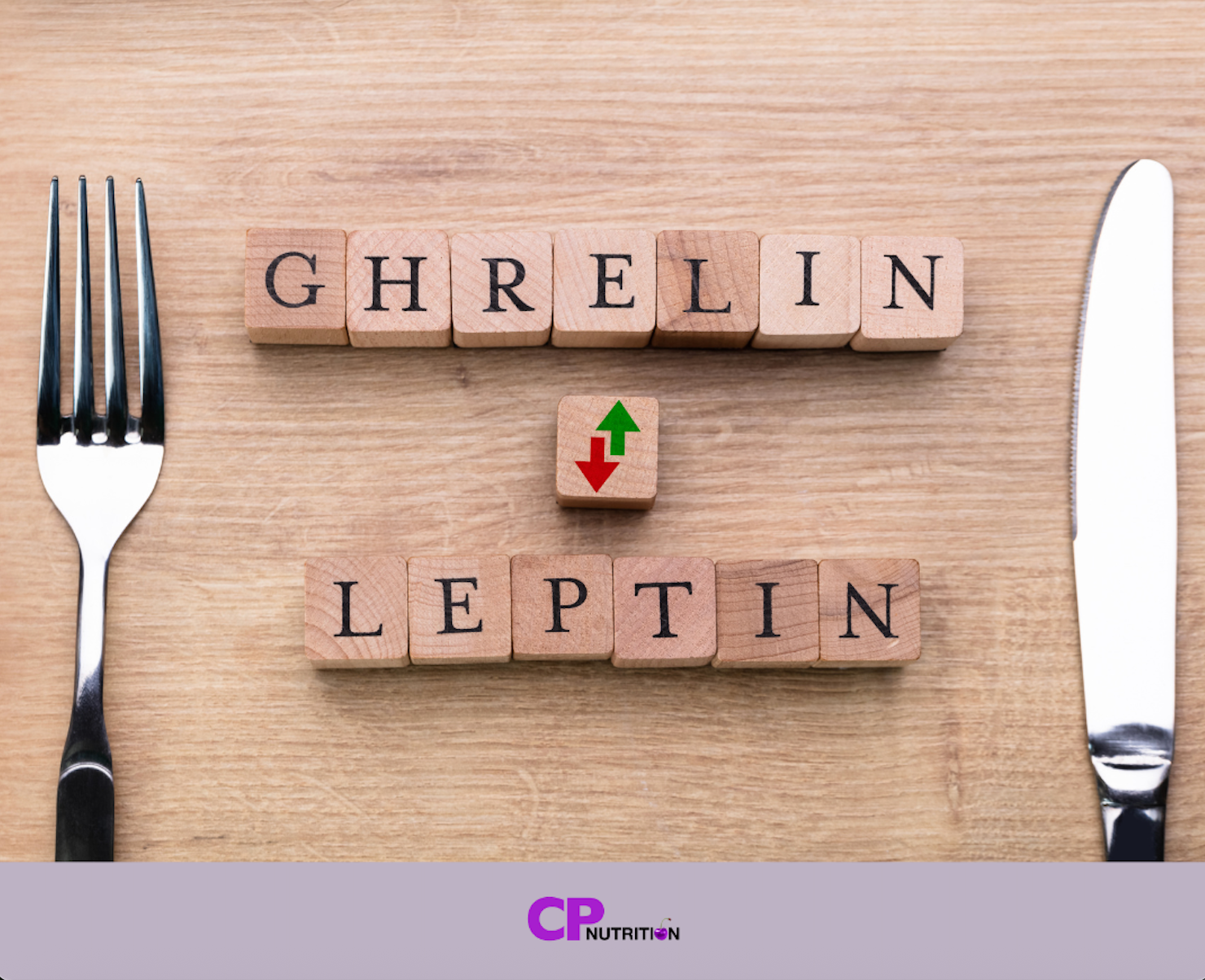
Two main hormones are most closely associated with your appetite:
Ghrelin: Also known as the hunger hormone, it increases in our blood before meals as a way of signalling to our brain that it is time to eat. These signals make us feel hungry (3).
Leptin: Leptin acts in the opposite way to ghrelin - it makes us feel full. Leptin will increase in our blood to block the hunger signals from ghrelin. This stops our brain from getting the hunger signal, and therefore we don’t feel hungry (3).
Why am I always hungry with PCOS?
In short, yes. If you have been diagnosed with PMOS, you might feel hungrier than usual. PMOS is a disorder caused by an imbalance of hormones, and this imbalance plays out in various ways that could affect how hungry you feel:
Insulin is a hormone that helps the body use the energy we get from food (4). Your brain has receptors where insulin will send signals to let you know that you have eaten enough and are full. However, in PMOS, your body might become resistant to the effects of insulin, so your brain doesn’t receive these signals, so you still feel hungry (5). It can also lead to your body overcompensating by releasing even more insulin into the blood (4). When more insulin is released, it can lead to too much testosterone being released into the body, causing other hormones in our body to become imbalanced (4).
2. Leptin resistance
PMOS can cause the body to become more resistant to the effects of leptin, the hormone that makes us feel full (5), so we might feel hungry more often. Although research suggests that your leptin levels might actually increase with PMOS, the body is more resistant to it, so it won’t stop you from feeling hungry (5).
3. Reduced cholecystokinin (CCK)
CCK is another hormone that is involved in appetite regulation by sending signals to the brain to make you feel full (6). However, in PMOS, CCK levels are reduced (6), which can lead to you feeling hungrier and wanting to eat sooner than expected.
4. Ghrelin not dropping properly after eating
When we feel hungry, the levels of ghrelin in your blood are high, but once you eat, your ghrelin levels go down and your leptin levels will go up. This is what makes you feel full and stop eating. However, studies have found that ghrelin levels don’t fall as much with PMOS compared to those who don’t have PMOS (5). So if your ghrelin levels stay quite high, this can lead to you still feeling hungry and consuming more food.
5. High androgens
Androgens are male hormones like testosterone (4), and they can stimulate appetite. As people with PMOS (7) have higher or more active levels of testosterone, this can cause increased feelings of hunger (5).
6. PMOS-induced stress
Studies found that women with PMOS have higher stress levels (8). Stress also plays a significant role in increased hunger. When you are stressed, cortisol, a stress hormone increases in your blood and can trigger hunger signals and increase cravings.
7. Poor sleep
Sleep is necessary to help us regulate our hormones, particularly our appetite-regulating hormones. Studies found that women with PMOS have more frequent occurrences of sleep disturbances (9). Therefore, a lack of sleep or disturbed sleep can affect the balance of appetite-regulating hormones and increase appetite and snacking (8).
If you have questions about PMOS or your diet to support you in your PMOS journey, book a free enquiry call with Claire Pettitt, a PMOS specialist dietitian, to find out how 1:1 support can help you.)
How do I stop PCOS hunger?
Managing your hunger levels can be hard and frustrating to do when you’re already struggling with other PMOS symptoms. Here are some simple ways to help you manage your hunger:
1. Recognise hunger and fullness
Recognising when you feel hungry can be really helpful to make sure that you listen to your body telling you that it needs food. This can give you more energy and stop you from eating more or less than you need to.
2. Mindful eating
Focusing on your food and being fully present during mealtimes can be a great way to ensure that you eat slowly and savour your food. For example, try removing distractions like the television, since it will help you be more aware of your hunger and fullness signals to prevent overeating (9).
3. Low Glycaemic Index (GI) diet
GI refers to how quickly a carbohydrate e.g. bread, is digested and absorbed as glucose into your body. Low GI foods are higher in fibre and water, so they will be more filling. Incorporating lower GI foods in your diet, such as wholegrains, oats and beans, has also been associated with a reduction in other PMOS symptoms (8).
4. Exercise
Exercise is great for reducing insulin resistance as it burns energy and helps to regulate blood sugar levels, which can have a positive effect on regulating your appetite and managing your hunger.
5. Sleep
Try to aim for 7-9 hours of sleep every night. Having a good night’s sleep can help regulate your appetite and support hormone balance, helping you fight the hunger cravings.
6. Stress management
Whether it's practising mindfulness, meditation, yoga, or something else that works for you, finding a way to manage stress can help reduce hunger, and it's also great for your general well-being, especially if you struggle with emotional eating.
7. Metformin
If you have insulin resistance as a result of your PMOS, you may experience increased cravings. Your GP may give you metformin, which is a medicine that is used to treat type II diabetes and lower insulin and blood sugar levels. Metformin can increase your brain’s sensitivity to hormones that make you feel full, so it can help you manage your appetite (10). However, please note that metformin is not licensed for treating PMOS in the UK, so only take metformin if your GP has advised for you to do so (11).
GLP-1 medications like Ozempic can be used to help with PMOS symptoms since it can help improve insulin sensitivity, support weight loss, and reduce your appetite. GLP-1 agonists are currently only used for type II diabetes, but some GPs may prescribe them off-label to help with PMOS symptoms. However, please do not use any GLP-1 agonists for PMOS unless you’ve been told so by a doctor.
9. Healthy snacking
Including some healthy PMOS-friendly snacks with protein or healthy fats throughout the day can be great to keep your energy up and help satisfy hunger cravings.
10. Escape boredom
Research has suggested that when you’re bored, you are more likely to snack excessively and make unhealthier food choices (12). So in order to help reduce excess snacking, taking up some new hobbies can be great. From baking to painting, a hobby can be anything that seems interesting to you, and it’s a great skill to pick up!
Summary/final thoughts
PMOS-related hunger can be intense, confusing and overwhelming. But what you’re experiencing is real and is not your fault. Multiple changes that occur in your body, like hormonal fluctuations, insulin resistance and leptin resistance, can lead to your hunger being stronger and more unpredictable.
But the good news is that the right information and some simple strategies can help you to be in more control of your hunger. Strategies like mindful eating, stress management and getting enough sleep can make a difference in the intensity of your hunger and make it easier to manage.
If you’re unsure of where to start, pick one strategy that works for you, like trying to have some healthy snacks during the day or getting 7-9 hours of sleep every night, and do these every day for a week and see if it makes a difference. Consistency is key, so making small, regular changes can make a big difference in the long term.
If you’d like gentle, realistic support in your inbox, join our free fortnightly PMOS email newsletter. You’ll get simple tips, recipes and support every two weeks - so you can feel less overwhelmed and more in control of your PMOS.
References
Physiology, obesity neurohormonal appetite and satiety control
Food cravings and obesity in women with PCOS: pathophysiological and therapeutic considerations
Prevalence and etiology of eating disorders in PCOS: a scoping review
Depression, anxiety and perceived stress in women with and without PCOS: a community-based study
Sleep disturbances in women with PCOS: prevalence, pathophysiology, impact and management strategies
Eaten up by boredom: consuming food to escape the awareness of the bored self