6 Key Vitamins For Female Fertility
What vitamins are important for female fertility?
The six key vitamins for female fertility are folic acid, vitamin D, vitamin B12, vitamin B6, vitamin C and vitamin E. They support egg quality, hormone balance, ovulation and implantation. Aim to get them from a varied, nourishing diet first, and if you are trying to conceive in the UK, take a daily supplement containing 400 micrograms of folic acid and 10 micrograms of vitamin D
With so many different vitamin supplements on the market claiming to help improve fertility, and various brands or influencers telling you which ones you must be taking, it can be really confusing, overwhelming, and maybe even scary to know what to do when you're trying to improve your fertility.
All this (sometimes contradictory) information might leave you with questions such as: What vitamins are actually needed? Am I even taking them correctly? Are they even beneficial in the first place? First of all, rest assured that you do not need to be taking every vitamin supplement you hear about; however, in this blog post, I will be discussing the best vitamins for female fertility, including ways you can include these nutrients in your diet.
Do Vitamins Really Help Fertility?
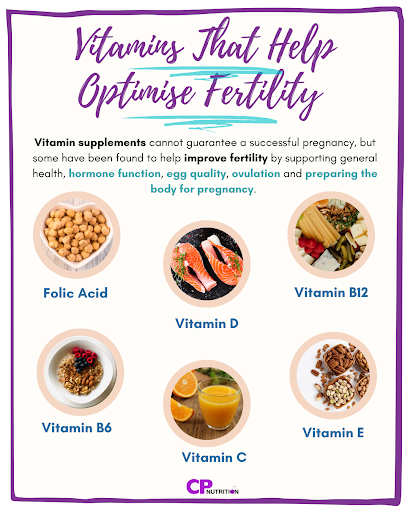
Vitamins have many benefits which can lead to improvements in fertility, such as supporting general health, hormone functions, egg quality, ovulation and assisting the body in preparing for pregnancy. While this sounds promising, it is important to be clear that taking them cannot guarantee that you will successfully get pregnant. This is because many other factors are important for conception, such as your sleep quality, whether you smoke, how much you exercise, your diet, and any underlying conditions you may have. Therefore, vitamins cannot be a band-aid fix to improve your fertility, but instead should almost be seen as an add-on to help meet your nutrient needs, alongside a nutritious diet.
Why Do I Recommend A Food First Approach?
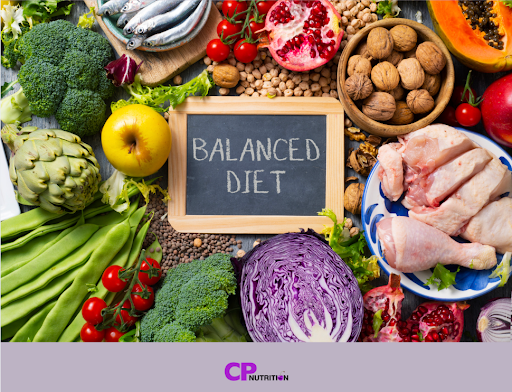
So many of my clients struggling with infertility truly want to believe that a vitamin supplement will be a magic fix and could be all you need to increase your chances of having a baby, but it is so important to take a “food first” approach and optimise your diet before you run to your nearest pharmacy to stock up on every supplement under the sun. A “food first” approach means prioritising a nourishing diet and aiming to get a variety of vitamins from our food first before thinking about supplements. It is about understanding the distinction that vitamin supplements are there to support our health, not replace a nourishing diet.
That is not to say that vitamin supplementation is not needed in some cases. In fact, vitamins are sometimes necessary when food intake is not meeting your needs, your needs for vitamins are increased, or if there is a known vitamin deficiency.
If you have questions about your diet to support you in your fertility journey, book a free enquiry call with me, Dr. Claire Pettitt, a fertility specialist dietitian, to find out how 1:1 support can help you.)
Which vitamins best support female fertility?
Whether you get them from food or from a supplement, there are some nutrients which can be helpful to ensure you are getting enough when trying for a baby. Let’s explore the top 6 vitamins that have been found to be the most supportive in helping you conceive, as well as how you can include them in your diet and what to consider before you take a supplement.
Folic acid (1)
What it does: Key for egg quality, maintaining a regular menstrual cycle and reducing the risk of miscarriage (2)
Who might benefit: Folic acid supplementation is recommended for all women trying to conceive not only because it helps prevent the formation of neural tube defects in the fetus, but also due to the above benefits
Food sources: broccoli, peas, chickpeas, and fortified cereals.
Things to consider before supplementing: You may hear the terms folic acid and folate used interchangeably, but the only difference is that folate is found naturally in foods, and folic acid is in supplements. It is usually recommended to start supplementing 400 micrograms of folic acid, around 12 weeks before trying to start conceiving, and that can be found in most general prenatal tablets. Buying a separate folic acid supplement is not usually needed, as this can risk overconsumption, but speak to your dietitian or doctor for personalised advice.
How to include in diet: Add broccoli to the side of your evening meals; make a chickpea curry or add chickpeas to your salad; add peas to pasta, soup or curries, or choose a fortified breakfast cereal that contains folic acid.
Vitamin D (1)
What it does: Vitamin D plays a role in maintaining adequate hormonal status, improved egg health and better pregnancy outcomes (3)
Who might benefit: In the UK, many people are found to be deficient in vitamin D, especially during the colder winter months. It is, therefore, especially important for all women in the UK who are trying to improve their fertility that they take a vitamin D supplement, and if you have had your vitamin D status tested and know your levels are low then a supplement is essential.
Food sources: Oily fish (eg, herring, salmon, sardines, trout), egg yolks, meat, fortified margarine, certain mushrooms, and breakfast cereals
Things to consider before supplementing: Check that the dose of the vitamin D supplements you are looking at has 10 micrograms of vitamin D (or more if advised by your healthcare practitioner)
How to include in diet: Include salmon or sardines as part of your evening meals; have scrambled or poached eggs on toast with avocado/tomatoes/mushrooms for breakfast; choose a fortified breakfast cereal and check the label to see if it has been fortified with vitamin D; or add mushrooms to pasta sauces or omelettes.
Vitamin B12
What it does: Supports egg implantation and egg health(1, 4)
Who might benefit: If you are vegan or vegetarian, you are more likely to be deficient in B12, so try to incorporate a variety of dietary sources and ensure adequate supplementation (5)
Food sources: Meat, eggs, dairy products like yoghurt or milk, plant-based drinks, fortified plant foods, or fortified breakfast cereals (1)
Things to consider before supplementing: B12 deficiencies usually take years to develop, and most individuals are not at risk if they have a varied diet (5). If you follow a plant-based diet, make sure to check if the dairy alternatives you are using have been fortified before supplementing.
Foods to include in diet: Add a plant or dairy-based milk to your morning porridge, coffee and tea; try scrambled eggs on toast with cottage or cream cheese for breakfast; add tuna or sardines to pasta, rice or salad dishes.
Vitamin B6
What it does: Helps hormone regulation for reproduction, increases cervical mucus production needed for the sperm to reach the egg, helps strengthen the uterine lining, which is key for implantation, and also increases libido (6)
Who might benefit: In general, everyone could benefit from B6, but enough B6 should be able to be obtained when following a varied and balanced diet.
Food sources: Pork, poultry (like chicken or turkey), peanuts, soya beans, oats, bananas, milk, and some fortified breakfast cereals (6)
Things to consider before supplementing: Do not take more than 200 mg a day, as it can lead to dangerous, unwanted side effects.
Foods to include in diet: Have porridge topped with banana and peanut butter in the morning; prepare a chicken or turkey stir-fry, have some chicken and lettuce in a wrap, or snack on small handfuls of peanuts
Vitamin C
What it does: Helps protect cells and keep them healthy as it acts as a powerful antioxidant which can support fertility (7), and higher vitamin C levels are linked to better egg and embryo quality (8)
Who might benefit: Everyone needs vitamin C, and we can usually get enough by having a varied diet without needing supplementation. However, vitamin C cannot be stored in the body, which is why it is important to be mindful to eat a variety of vitamin-C-containing foods regularly (9)
Food sources: Oranges, orange juice, red and green peppers, strawberries, blackcurrants, broccoli, Brussels sprouts, and potatoes (7)
Things to consider before supplementing: Taking excessive amounts of vitamin C (more than 1,000 mg per day), which is often caused by over-supplementing, may lead to stomach pain, diarrhoea, and flatulence. Symptoms will quickly resolve when you stop taking the supplements (9)
Foods to include in diet: Have an orange or orange juice in the morning with your breakfast; add red or green peppers to pasta, stir-fry dishes or salads; snack on a handful of strawberries; add broccoli to your evening meal.
Vitamin E
What it does: Helps reproductive health through the protection of cells from damage, and improves the uterine lining thickness, which is key for egg implantation (10)
Who might benefit: Everyone can benefit from vitamin E, and enough should be able to be obtained by eating a balanced and varied diet (11)
Food sources: nuts, seeds, and vegetable oils (11)
Things to know before supplementing: Supplementation of up to 540 mg per day is unlikely to cause harm, but it is not recommended to exceed this amount (11)
Foods to include in diet: Snack on a small handful of mixed nuts; sprinkle seeds like sunflower and pumpkin seeds onto your porridge; cook using vegetable oils like olive oil and sunflower oil; add a handful of spinach to smoothies, salads or pasta dishes.
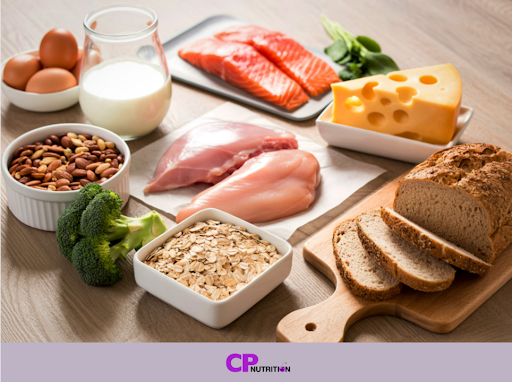
It can be overwhelming to see a list of foods and nutrients and start worrying about how you can incorporate all the listed ingredients into your diet. Rest assured, you do not have to buy every supplement and include every suggestion; for example, if you are having porridge for breakfast, why not add a banana, some mixed seeds, perhaps a glass of orange juice and some peanut butter, and there you have it, you have now had some vitamin E, C, and B6!
Check out our blog post on the top 7 foods to increase your fertility for more ideas on how to include foods in your diet to increase fertility.
Final Thoughts
Overall, vitamins are important in helping boost fertility, and in some cases, so are vitamin supplements, but a nutritious diet with nutritious and balanced food choices is at the core of improving fertility.
Here are 3 things to take away from this post…
Opt for a prenatal vitamin and check that it has 400 micrograms of folate
Make sure you are having a 10-microgram supplement of vitamin D per day
Review the list of foods suggested and see if you can incorporate two foods in your diet this week- focus on what you can add to make a meal more nutritious and aligned with your fertility, rather than removing foods
If you’re nodding along to this, you don’t have to figure it out alone. You can book a free 15-minute enquiry call with me, Dr Claire Pettitt, specialist women’s health dietitian, to talk about your fertility journey and next steps - no pressure, just a chance to ask questions about 1:1 support and explore your options.
References
The Key Role of Vitamin D in Female Reproductive Health: A Narrative Review
Guidelines for the Investigation & Management of vitamin B12 deficiency
Are Vitamin E Supplementation Beneficial for Female Gynaecology Health and Diseases?
This article was researched and drafted by Zoe Decorzant, a Dietetics student at Newcastle University, as part of our structured student placement scheme. To ensure the highest standards of evidence-based practice, it was rigorously reviewed, edited, and approved for publication by Dr. Claire Pettitt, Founder of CP Nutrition.